Want a neighborhood where grabbing coffee, meeting friends for dinner, catching a concert, and biking along the river can all happen in the same day without a long drive? That is the real appeal of downtown Boise. If you are trying to picture what daily life here actually feels like, this guide will help you understand the pace, housing choices, transportation, and energy of the area so you can decide whether it fits your lifestyle. Let’s dive in.
Downtown Boise at a glance
Downtown Boise is more than a cluster of office buildings. The City of Boise describes it as the heart of the city and region, as well as Idaho’s largest employment center, with a dense mix of offices, hotels, condos, restaurants, shops, government uses, Boise State University, and cultural spaces.
That mix shapes how the neighborhood feels. Instead of going quiet after business hours, downtown tends to stay active from midday into the evening because people are there for work, errands, meals, events, and everyday living.
What the atmosphere feels like
Living downtown often feels compact, social, and easy to use. You are surrounded by places to eat, public spaces, local events, and day-to-day conveniences that make short trips a regular part of life.
There is also a strong sense of local identity. The downtown area includes historic districts such as Old Boise, Hays Street, and the South 8th Street Warehouse District, while the Basque Block adds another layer of culture through museums, restaurants, and long-standing heritage.
Expect energy, not isolation
If you like being in the middle of things, downtown Boise can feel exciting and convenient. You may step outside and find a full calendar, more foot traffic, and a steady rhythm that changes throughout the day.
If your ideal home life centers on a large private yard and a quieter suburban routine, downtown may feel less aligned with what you want. The area’s density, event schedule, and housing mix naturally create a more active environment.
Daily life is built around short trips
One of the biggest differences between downtown Boise and more spread-out neighborhoods is how often you can do things close to home. Visit Boise notes that downtown has more than 100 restaurants and shops in the core, which means coffee runs, quick lunches, errands, and dinner plans can often happen within a short walk.
That convenience shapes your routine in small but meaningful ways. You may find yourself walking to meet a friend, picking up something on the way home, or making more spontaneous plans because so much is nearby.
Dining and shopping are part of the lifestyle
Downtown is not just a place where people work. It is a place where people spend time, which is why the food and retail scene matters so much to the overall experience.
For many residents, that means everyday variety. You can have a neighborhood routine and still feel like there is always something new to try within a few blocks.
Getting around downtown Boise
Downtown Boise supports a car-light lifestyle, even if it is not always fully car-free. Walking and biking are practical for many daily trips, and transit adds another layer of flexibility.
Main Street Station serves as the downtown bus transfer center. Valley Regional Transit says downtown connects to the Boise Airport through Routes 2 Broadway and 3 Vista, and the airport is about four miles from downtown, or roughly ten minutes from the city center.
Walking and biking feel natural here
The Boise River Greenbelt is one of the area’s biggest lifestyle advantages. Visit Boise describes it as a 25-mile tree-lined bicycle and pedestrian path, and downtown residents benefit from easy access to it.
That access can make outdoor time feel built into your week instead of something you have to plan around. A morning walk, bike ride, or riverfront break can be part of your normal routine.
Parking is part of the experience
Parking exists downtown, but it is something you learn to plan around. According to the Downtown Boise Association, on-street meters offer the first 20 minutes free and ParkBOI garages offer the first hour free.
That is helpful, but busy event nights can still change the feel of getting around. Rideshare, biking, and park-and-ride options help, but downtown living usually works best when you are comfortable with a little flexibility.
Housing options in downtown Boise
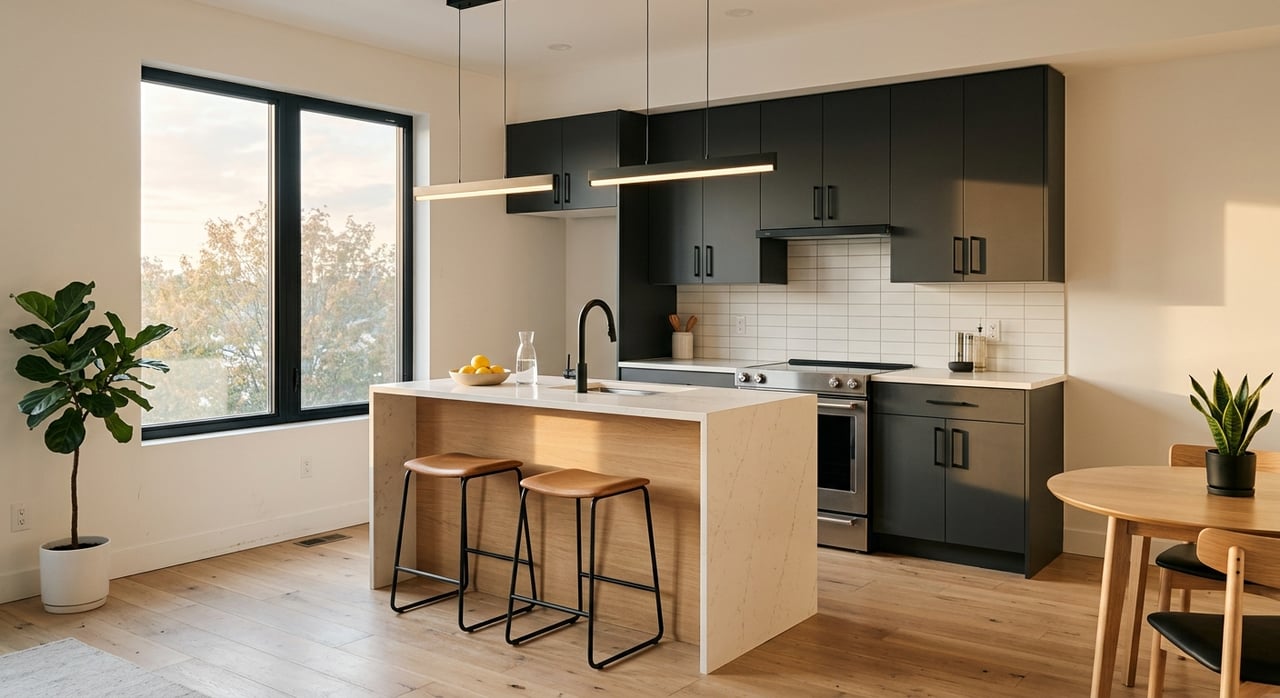
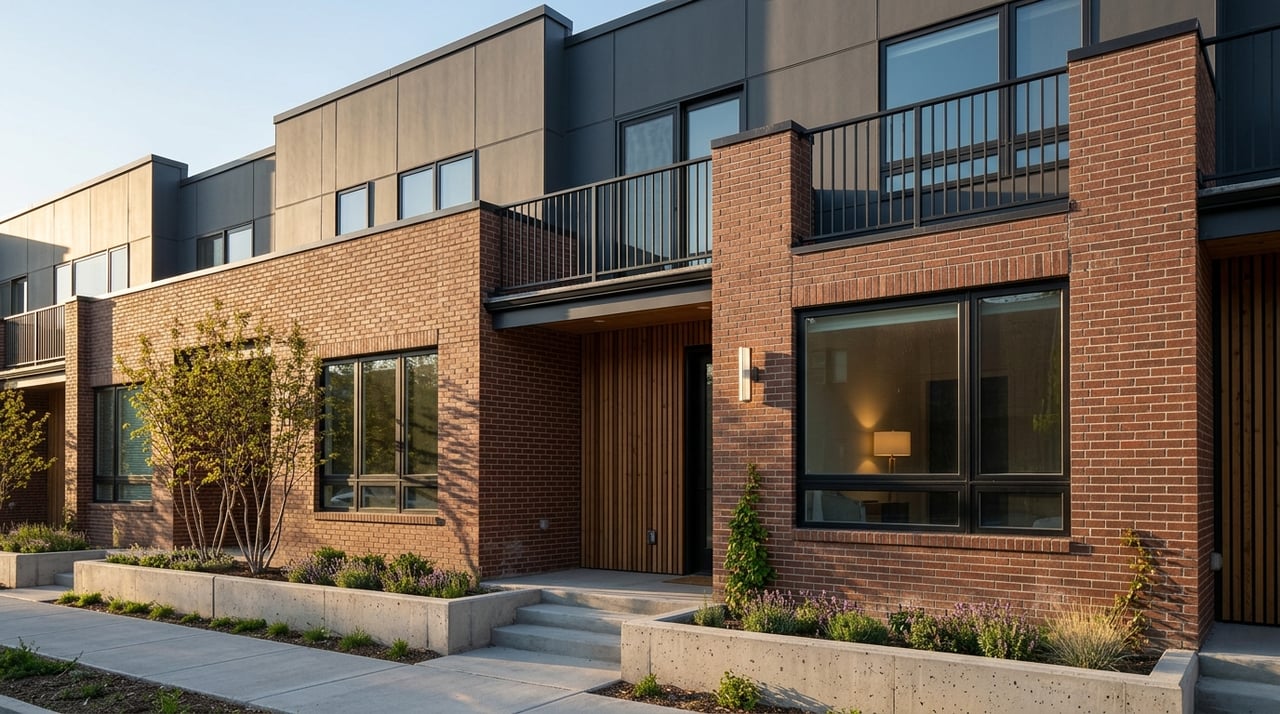
Downtown Boise housing is clearly urban in style. The Downtown Boise Association lists apartments, condos, lofts, and townhomes across the core, including options like The Aspen Lofts, CitySide Lofts, Gem Noble Lofts, Idaho St Townhouses, The Lucy, and The Vanguard.
This is not an area defined by one type of home. You will find a range of layouts, building styles, and sizes, from compact studios and one-bedroom units to larger loft residences and townhouse-style homes.
Low-maintenance living is common
Many downtown properties are designed around ease and shared amenities. For example, The Vanguard highlights features such as balconies in some units, large windows, a resident lounge, workspace, a secured mailroom, and a rooftop fire pit.
That kind of setup appeals to buyers who want a lock-and-leave lifestyle or less exterior upkeep. It can also be attractive if you value location and convenience over having extra land to maintain.
Downtown is still growing
Downtown Boise is not standing still. The City of Boise’s 2024 Housing Needs Analysis says Downtown Boise and the West Bench have accounted for 36 percent of all new units built since 2019.
That tells you something important about the area’s direction. More housing has been added here because demand for centrally located, higher-density living continues to shape the city.
Parks and outdoor access close to home
A common surprise for people new to downtown Boise is how easy it is to stay connected to the outdoors. Boise has more than 90 parks and more than 200 miles of trails, and downtown gives you direct access to some of the city’s most visible green spaces.
Julia Davis Park anchors the south edge of downtown and brings together river access, the Rose Garden, the bandshell, the zoo, and museums. That means your urban routine can still include open space, shade, and places to slow down.
The Greenbelt changes the lifestyle
The Greenbelt is more than a recreation path. It acts like a car-free route through the city, making it easier to move between downtown and other parts of Boise on foot or by bike.
For many residents, that becomes one of the biggest quality-of-life perks. It adds movement, scenery, and convenience in a way that makes downtown living feel balanced.
Events give downtown its personality
Downtown Boise has a social rhythm that comes from its event calendar as much as its buildings or streets. The Grove Plaza sits at the center of that energy and is described by the Downtown Boise Association as Boise’s most prominent public venue, hosting more than 60 events each year and drawing more than 250,000 event visits.
That steady lineup helps downtown feel lively and shared. Even if you do not attend every event, the activity shapes the atmosphere around you.
Popular events residents notice
Several recurring events help define what living downtown feels like:
- First Thursday brings in-store tastings, art exhibits, trunk shows, live music, and family activities, usually from 5 to 9 p.m.
- Alive After 5 is a free summer concert series held on Wednesday nights in June and July.
- Capital City Public Market takes place on Saturdays at the Grove Plaza with more than 150 rotating vendors.
- Treefort Music Festival transforms downtown for five days in March, with venues spreading across parking lots, bars, coffee shops, and bookstores.
These events can be a major positive if you enjoy community activity and spontaneous plans. They also mean some days feel busier, louder, and more crowded than a typical neighborhood setting.
Who downtown Boise fits best
Downtown Boise tends to be a strong match if you want walkability, social energy, and lower-maintenance housing near restaurants, shops, transit, and outdoor paths. It can work especially well for buyers who want a home base that keeps them close to work, travel, and entertainment.
It may also appeal to people relocating to Boise who want to spend time learning the city from a central location. Being near downtown amenities, the airport, transit connections, and public gathering spaces can make that transition feel easier.
Questions to ask yourself
If you are considering downtown Boise, ask yourself:
- Do you want to walk to dining, coffee, and events?
- Are you comfortable with a busier environment?
- Would you prefer a condo, loft, apartment, or townhome over a large-lot property?
- Do you value easy access to the Greenbelt and public spaces?
- Would a car-light lifestyle make your week easier?
Your answers can tell you a lot. Downtown is less about square footage alone and more about how you want your days to feel.
The real takeaway
Downtown Boise living feels active, connected, and convenient. It offers a mix of urban housing, strong access to dining and events, easy outdoor connection through the Greenbelt and parks, and practical transportation options that make daily life feel more flexible.
If that sounds like your pace, downtown may be one of the most enjoyable places in the Treasure Valley to call home. If you want help comparing downtown Boise with other Boise-area neighborhoods or finding a home that fits your routine, Cheyenne Peterson & Carlette Napoles are here to guide you with local insight and a hands-on approach.
FAQs
What does daily life in downtown Boise feel like?
- Daily life in downtown Boise often feels walkable, social, and convenient, with restaurants, shops, events, parks, and transit all close together.
What types of homes are common in downtown Boise?
- Downtown Boise commonly features apartments, condos, lofts, and townhomes, with options that range from compact studios to larger loft-style and townhouse residences.
Is downtown Boise a good fit if you want walkability?
- Yes, downtown Boise is a strong option if walkability matters to you, since many dining, shopping, and entertainment spots are located within the core.
How easy is it to get from downtown Boise to the airport?
- Downtown Boise is about four miles from the airport, or around ten minutes from the city center, and Valley Regional Transit routes also connect downtown to the airport area.
Does downtown Boise have access to parks and trails?
- Yes, downtown Boise has easy access to Julia Davis Park and the Boise River Greenbelt, which supports walking and biking through the city.
Is parking difficult in downtown Boise?
- Parking is available, but it is part of everyday planning downtown, especially during busy events, even though on-street meters and ParkBOI garages offer short free periods.