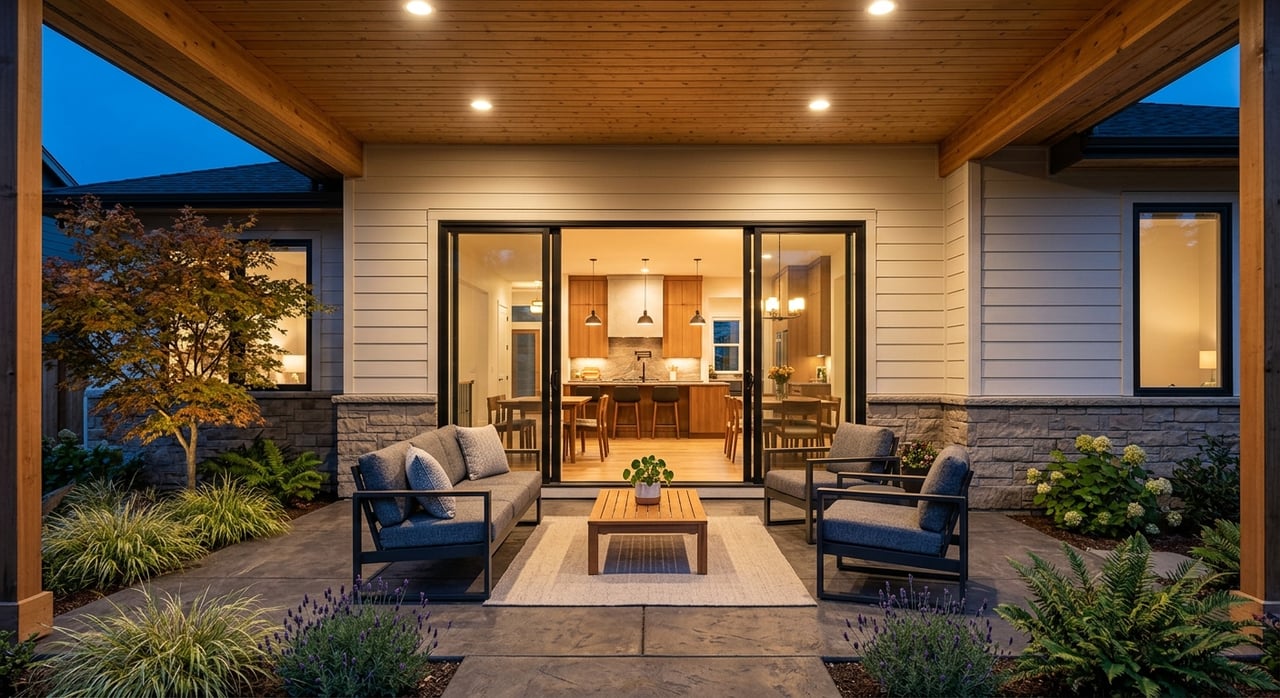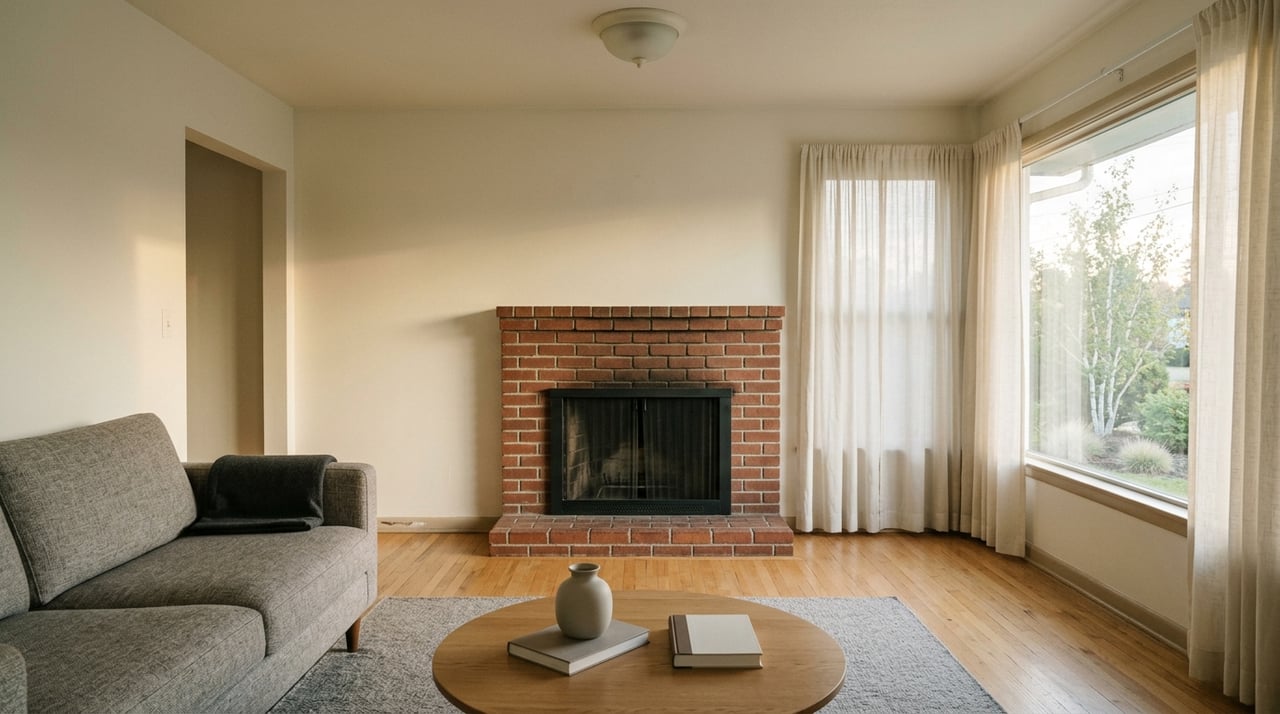
If you are buying your first home in Boise, Central Bench deserves a serious look. It offers a rare mix of central location, lower entry pricing than Boise overall, and established neighborhoods with character. If you want to understand where the opportunities are, what tradeoffs to expect, and how to buy with confidence, this guide will help you take the next step. Let’s dive in.
Why Central Bench Appeals
Central Bench sits between Downtown Boise and the Airport planning areas, which gives you strong access to key parts of the city. According to the City of Boise Central Bench planning area document, the area includes residential, commercial, office, medical, and industrial uses, with interstate and arterial connections to Downtown Boise, Boise State University, and Boise Towne Square.
That central access is a big reason first-time buyers pay attention to the area. You can often find an established setting with mature trees, older homes, and a more lived-in neighborhood feel instead of the newer-build pattern common in some outer areas.
The city also notes that many Central Bench neighborhoods were developed in the 1950s and 1960s and generally offer smaller, more affordable homes than other parts of Boise. For many first-time buyers, that can make Central Bench one of the more practical entry points into homeownership.
Central Bench Price Advantage
If affordability is your top concern, Central Bench stands out. As of March 2026, Redfin reported a median sale price of $384,450 in Central Bench, compared with $494,880 citywide in Boise.
That puts Central Bench about $110,430 below the Boise median, or roughly 22% lower. For a first-time buyer, that gap can mean a more manageable monthly payment, more room in your budget, or a better chance to keep cash in reserve after closing.
Still, a lower price point does not always mean lower overall cost. In an older-home area, your real budget needs to include more than the contract price.
What Homes Are Like Here
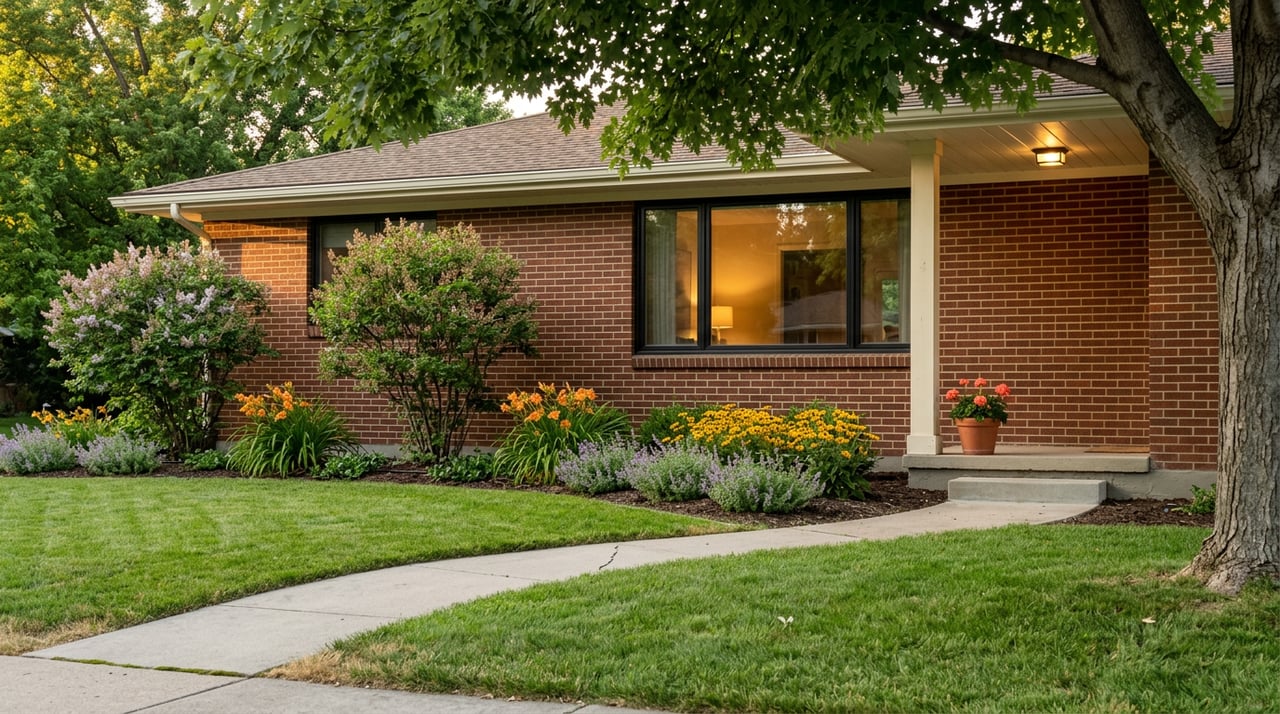
Central Bench housing is shaped by Boise’s postwar growth. The city’s historic preservation plan notes that ranch-style homes dominated much of 1950s construction on the Bench, and many blocks still reflect that pattern today.
You may find homes with larger lots, mature landscaping, and a more open feel than you would expect in some newer developments. That can be a real plus if you value established surroundings and neighborhood character.
At the same time, older homes often come with older systems, deferred maintenance, or cosmetic updates that may become part of your ownership plan. This does not make them a bad choice. It simply means you should go in with a clear eye and a realistic budget.
What First-Time Buyers Should Inspect
In Central Bench, inspections matter even more because much of the housing stock is older. The Consumer Financial Protection Bureau recommends scheduling an independent home inspection as soon as possible after choosing a home so you have time to address issues that come up.
A home inspection is different from an appraisal. The inspection helps you understand the home’s condition, possible repairs, and maintenance needs. Depending on your contract terms, inspection findings may also support repair negotiations or even cancellation if the issues are significant.
For a first-time buyer, this is where you protect both your finances and your peace of mind. In Central Bench, it is smart to expect some findings and plan accordingly.
Lead Paint and Older Homes
If you are considering a home built before 1978, you should also be aware of possible lead-based paint. The EPA explains that homes built before 1978 may contain lead-based paint, and the older the home, the more likely it is to be present.
That does not automatically mean a home is unsafe or not worth buying. It does mean that if you plan to remodel, you should understand how renovation can create lead dust and use lead-safe work practices and certified contractors where needed.
Budget Beyond the Purchase Price
One of the biggest first-time buyer mistakes is focusing only on the sale price. In Central Bench, your budget should be built around the monthly payment and your total cash needs, not just the number on the listing.
That means planning for:
- Down payment
- Closing costs
- Inspection costs
- Moving expenses
- Immediate repairs or updates
- A repair and maintenance reserve after closing
This matters even more in a neighborhood with older homes. You do not want to spend every available dollar winning the house, then feel stretched the moment you get the keys.
Down Payment Help to Explore
If you need help bridging the gap to homeownership, Idaho Housing offers resources worth reviewing. Its homebuyer education program helps first-time buyers understand affordability, loan types, closing costs, budgeting, and home maintenance.
Idaho Housing also states on its down payment and closing cost assistance page that eligible buyers may receive up to 8% of the sales price toward down payment and or closing costs, may contribute as little as $500 of their own funds, and must meet household income requirements, currently at or below $170,000. It also notes that homebuyer education is commonly required.
If you are buying your first home, these programs can make a meaningful difference. They can also help you preserve more savings for repairs, updates, and everyday homeownership expenses.
Street Location Matters
Not every part of Central Bench feels the same. The City of Boise identifies Orchard, Emerald, Vista, and Overland as major transportation corridors in the area, so the exact location of a home can have a big impact on your day-to-day experience.
When comparing homes, look closely at the block, not just the neighborhood name. Traffic exposure, access, noise, and nearby uses can vary quite a bit from one street to the next.
This is one reason local guidance matters. A home that looks perfect online may feel very different once you stand in front of it, drive the surrounding streets, and understand how it fits your routine.
How Competitive the Market Is
Even with its relative affordability, Central Bench is not an easy market to enter casually. Redfin describes the area as very competitive.
In March 2026, homes in Central Bench sold in a median of 36 days, the sale-to-list ratio was 99.2%, and 33.3% of homes sold above list price. Redfin also reported that many homes receive multiple offers.
That means first-time buyers need to be prepared before they start touring seriously. Waiting until you find the right house to figure out financing or strategy can put you behind.
How to Make a Smart Offer
A competitive offer does not have to be reckless. In a market like Central Bench, the goal is to be strong enough to compete while still protecting your long-term finances.
A practical approach often includes:
- Getting preapproved before you tour homes seriously
- Moving quickly when the right home hits the market
- Keeping inspection and financing protections unless you fully understand the risk of waiving them
- Making sure you still have cash reserves after closing
That last point is especially important here. In an older-home market, the best offer is not always the highest one. It is often the one that still leaves you enough financial breathing room to handle repairs and maintenance.
A Practical First-Time Buyer Mindset
Central Bench can be a strong option if you want central Boise access without paying the Boise citywide median price. It can also be a smart fit if you appreciate established homes, mature trees, and neighborhood character.
The key is to buy with a plan. Understand the housing stock, budget for inspection findings, compare street locations carefully, and avoid stretching so far that the home becomes a source of stress.
If you want guidance that is clear, responsive, and grounded in the Treasure Valley market, Cheyenne Peterson & Carlette Napoles can help you evaluate Central Bench with confidence and take the next step toward homeownership.
FAQs
What makes Central Bench a good option for first-time buyers?
- Central Bench offers central Boise access and, as of March 2026, a median sale price below the Boise citywide median, which can make it a more accessible starting point for homeownership.
What should buyers know about Central Bench homes before making an offer?
- Many homes in Central Bench were built in the 1950s and 1960s, so you should expect older-home maintenance, schedule an inspection early, and budget for possible repairs or updates.
What down payment help is available for first-time buyers in Idaho?
- Idaho Housing says eligible buyers may receive up to 8% of the sales price toward down payment and or closing costs, and homebuyer education is commonly required.
How competitive is the Central Bench housing market?
- Redfin reports that Central Bench is very competitive, with many homes receiving multiple offers and 33.3% of homes selling above list price in March 2026.
Why does street location matter so much in Central Bench?
- The City of Boise identifies major transportation corridors such as Orchard, Emerald, Vista, and Overland, so traffic, access, and nearby uses can vary significantly block by block.