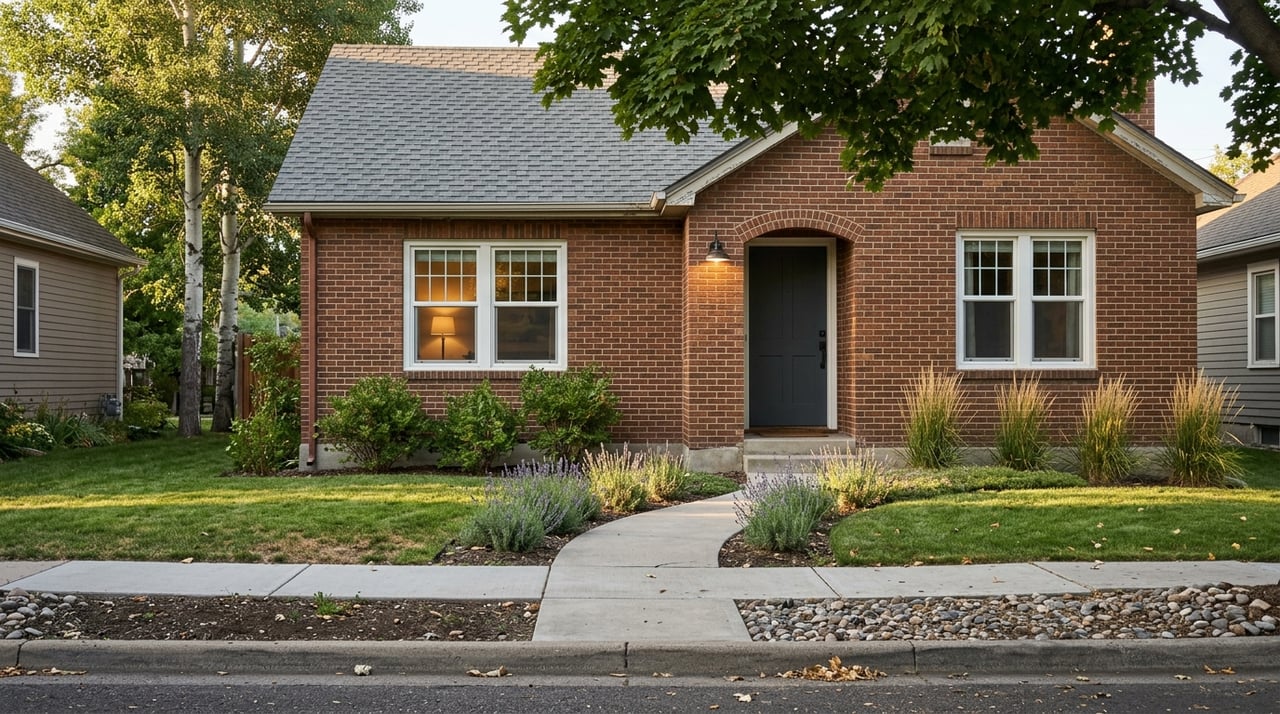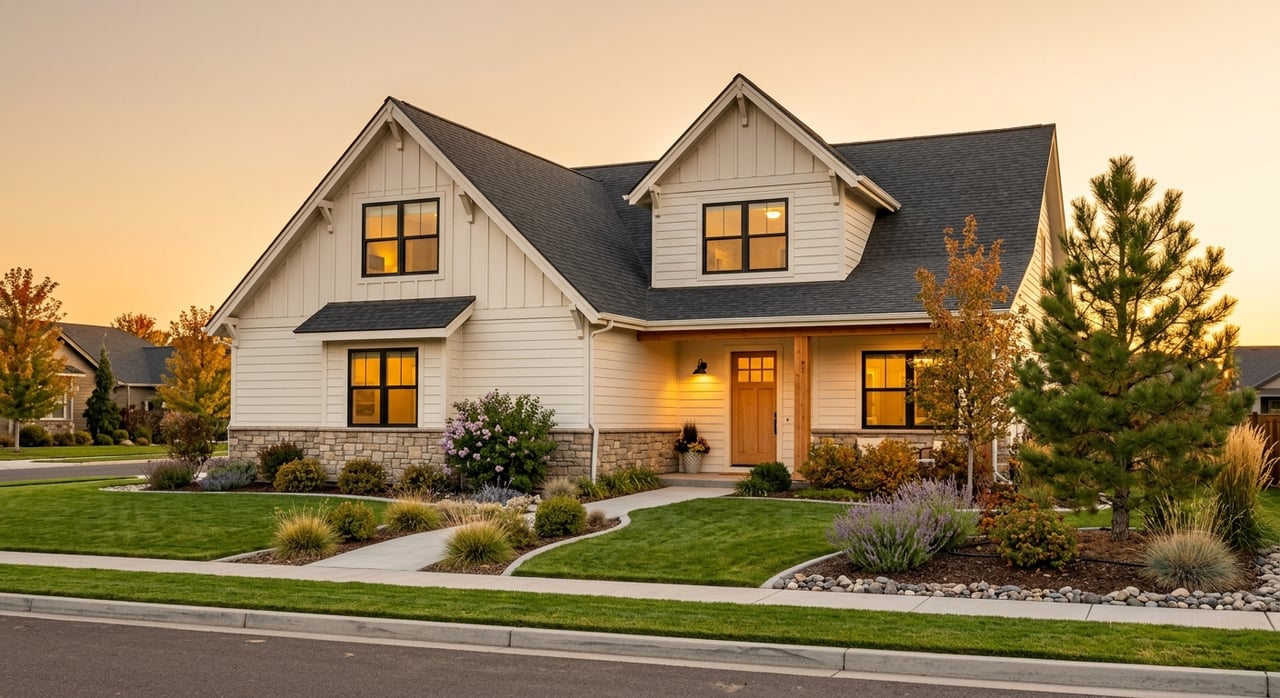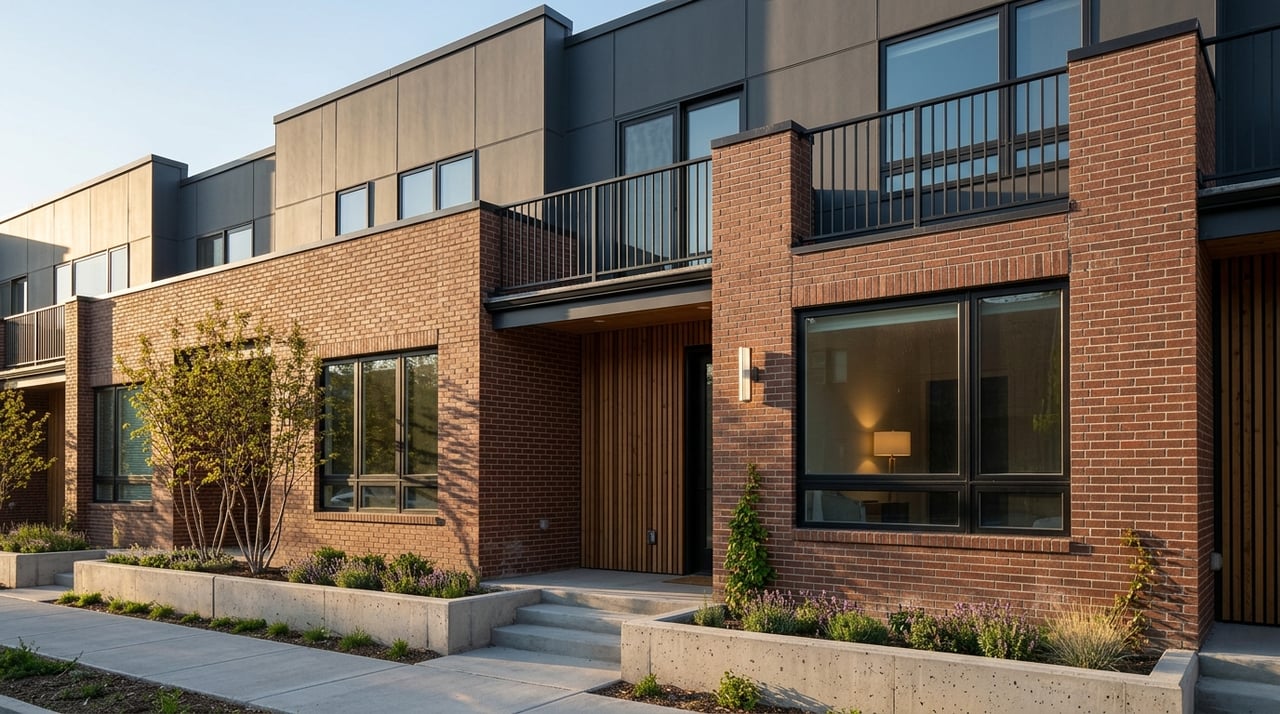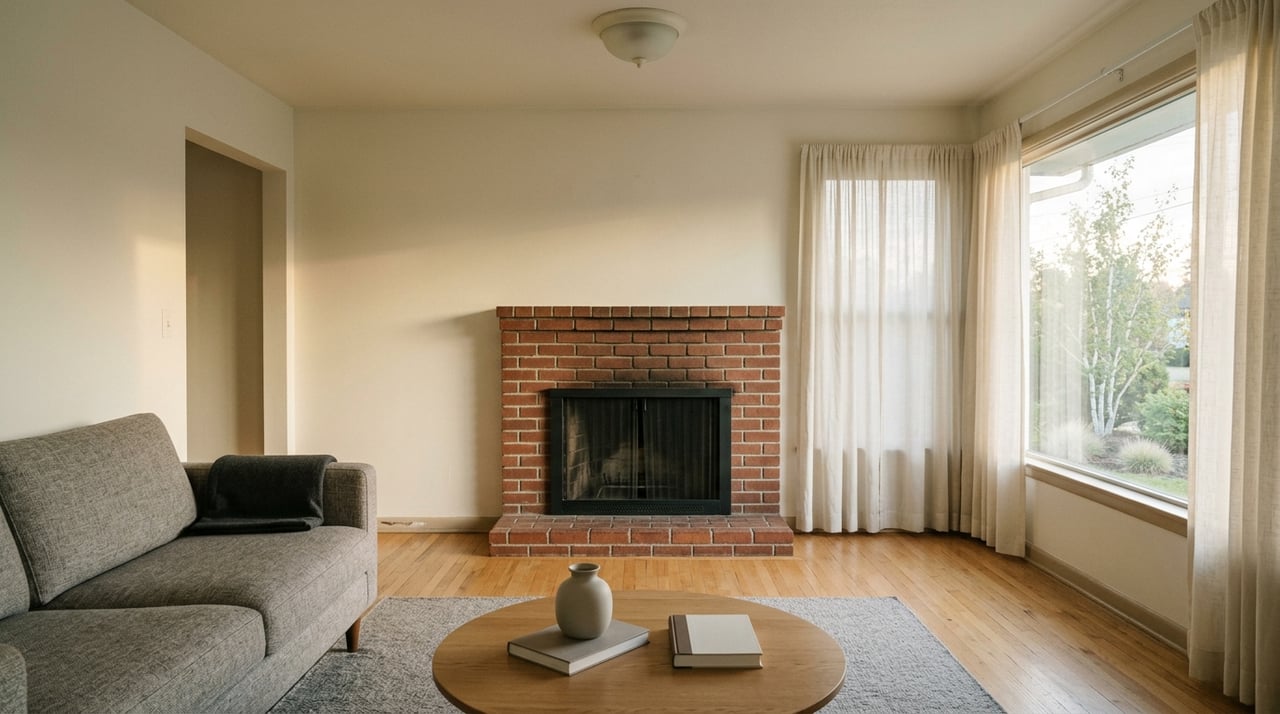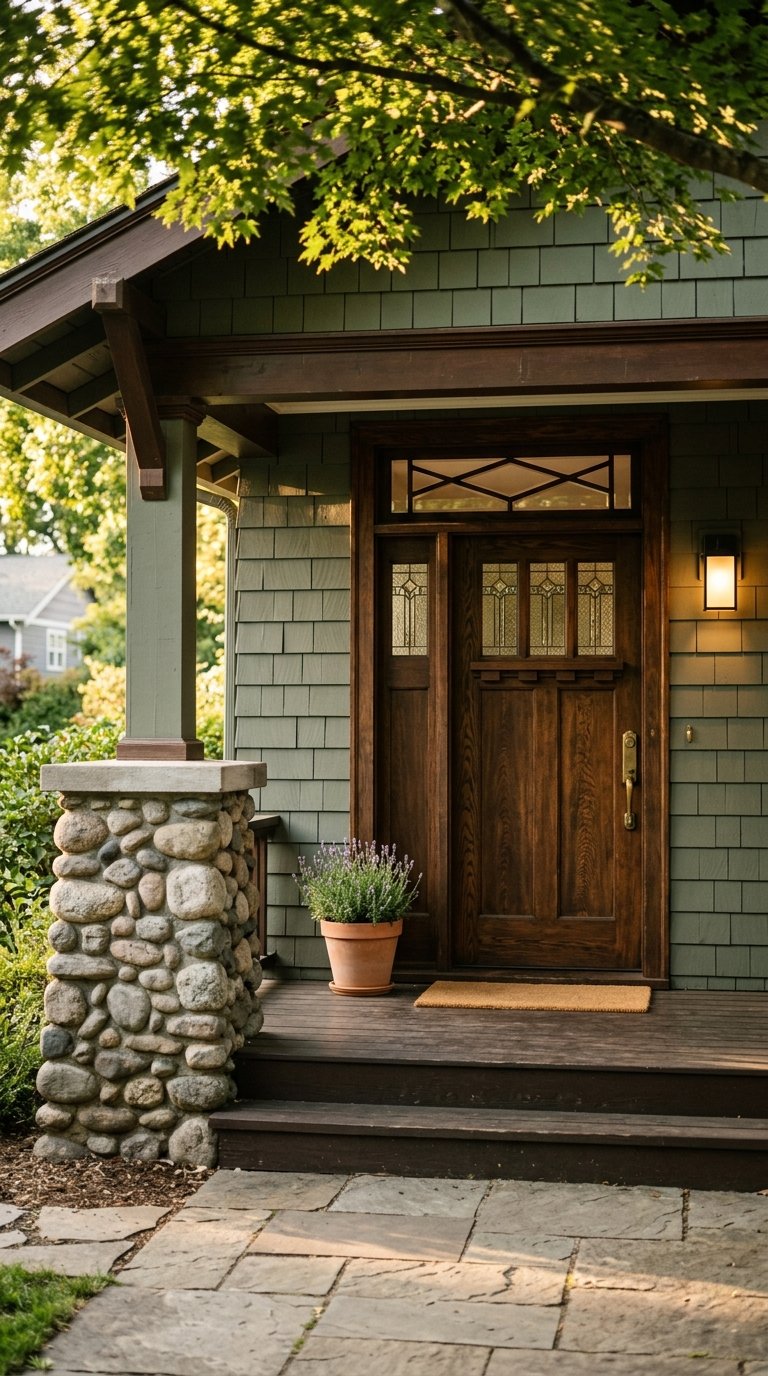
Wondering how to sell a historic East End home without losing the charm that makes it special? If you own an older home in one of Boise’s most established areas, you may feel pulled between preserving its character and presenting it in a way that stands out online. The good news is you do not have to choose between history and results. With the right prep and a modern launch strategy, you can highlight what makes your home unique while attracting today’s buyers. Let’s dive in.
Why East End History Matters
In East End, history is not just background. It is part of the home’s value. Boise planning documents describe the North/East End area as one of the oldest parts of the city, and the area includes six local historic districts.
East End itself developed from subdivisions beginning in 1890. Boise’s design guidance describes it as a 39-block neighborhood with small lots, consistent setbacks, sidewalks, and grassy medians. Many homes reflect classic architectural styles like Craftsman bungalows, Queen Anne cottages, American foursquares, and some Mission Revival or Spanish eclectic designs.
That setting matters to buyers. The appeal often comes from more than the square footage or finishes inside the house. It also comes from the streetscape, mature landscaping, and access to nearby amenities like the Boise River Greenbelt, Military Reserve, foothills trails, parks, and open space.
For sellers, that means your marketing should tell a complete story. Buyers are not just considering a house. They are considering a historic home in a well-established Boise setting with distinctive architecture and access to outdoor recreation.
What to Protect Before Listing
If your property is within Boise’s historic district overlay, exterior work may require a Certificate of Appropriateness before the project begins. Interior changes do not require that same review, but many exterior updates do.
Boise’s current guidelines specifically call out several project types that can trigger review, including:
- Window replacement
- Siding replacement
- Roofing changes
- Demolition
- Major landscaping changes
- Tree removal
- Solar panel installation
This matters if you are trying to prepare your home for sale on a timeline. A rushed exterior project that skips approval can create stress and may complicate your listing process. It is usually better to confirm what is allowed before making changes.
Boise’s residential historic guidelines also encourage homeowners to preserve the features that shape the neighborhood’s look. That includes open front yards where that pattern was traditional, mature trees, and additions or garages that fit the home’s scale and streetscape.
In practical terms, not every update adds value. If a project removes original details or introduces materials that do not fit the home’s character, it can weaken the very features buyers are drawn to in East End.
Choose Repairs Over Character Loss
Historic homes usually show best when you repair thoughtfully instead of replacing broadly. Boise’s preservation guidance and the broader rehabilitation approach support keeping character-defining features whenever feasible.
That means pre-sale work should be selective. Focus on repairs that improve condition, function, and presentation without flattening the home’s identity. Original trim, porch details, windows, and exterior rhythm often matter more than sellers realize.
When replacement is truly necessary, material choices matter. Boise’s guidelines note that approved window materials in historic districts include wood, aluminum-clad wood, and fiberglass, while vinyl windows are not allowed.
This is one reason experienced planning matters before you list. The goal is not to make a historic home look brand new. The goal is to make it look well cared for, visually consistent, and ready for the market.
Smart Updates for Better Photos
The best listing updates are often the least invasive ones. According to NAR’s 2025 Profile of Home Staging, staging helps buyers picture themselves in a future home, and buyers’ agents said the living room, primary bedroom, and kitchen mattered most.
For an East End historic home, photo-friendly improvements usually include:
- Deep cleaning throughout the home
- Decluttering and depersonalizing key rooms
- Paint touch-ups in historically sympathetic colors
- Repairing visible trim or worn finishes
- Refreshing lighting and hardware
- Simplifying window treatments so original details stand out
These updates can make a major difference in photos without changing the home’s architectural story. Buyers scrolling through listings often decide in seconds whether a property feels inviting, maintained, and distinctive.
Curb appeal also plays a big role in East End. The neighborhood’s visual rhythm often comes from porches, setbacks, front yards, mature trees, and modest home scale. Improvements that support exterior photography should respect those elements rather than compete with them.
In many cases, the most effective modernization is almost invisible. A brighter, cleaner, more polished presentation can help your home feel current while keeping the details that make it historic.
Use Modern Marketing to Tell the Story
Historic homes need more than a few standard listing photos. They need a launch strategy that captures both craftsmanship and context.
NAR’s 2025 staging study found that buyers’ agents ranked photos as the most important listing asset, followed by traditional staging, videos, and virtual tours. Sellers’ agents also reported that staged homes sometimes saw offers that were 1 percent to 5 percent higher, and 30 percent said staging slightly reduced time on market.
For an East End home, this supports a marketing plan built around strong visuals and thoughtful storytelling. That means using professional photography, video, and a virtual tour so buyers can understand the scale, flow, and details of the property before they ever visit.
This approach fits especially well with a historic listing. Good visuals can show original millwork, natural light, front porch character, mature landscaping, and the relationship between the home and the street. Those are details that often get lost in a basic listing upload.
Build the Marketing Around Architecture and Place
A strong East End listing should show buyers why the home is special and why the location supports that value. The marketing story should connect the architecture to the setting.
That story may include:
- Original details and period materials
- Craftsman, Queen Anne, foursquare, or other architectural features
- Front porch presence and curb appeal
- Mature landscaping and traditional lot layout
- Proximity to the Greenbelt, Military Reserve, foothills trails, parks, and open space
This kind of positioning helps buyers understand that an older home is not simply an alternative to newer construction. It is a distinct type of property with design, setting, and visual character that newer homes often do not replicate.
When modern marketing is done well, it does more than advertise. It helps buyers understand the lifestyle and identity of the home. That is especially important in a neighborhood where charm, scale, and surroundings are central to appeal.
Be Careful With Editing and Virtual Staging
Modern marketing tools can be powerful, but they should be used responsibly. NAR’s consumer guidance notes that photo enhancements that materially alter the property should be disclosed.
That matters if your listing uses virtual staging or heavy image editing. Buyers should see a polished, accurate representation of the home, not a version that creates false expectations before a showing.
For a historic property, authenticity matters. The goal is to help buyers see the home clearly, not to erase age, texture, or period details that contribute to its value.
Price and Presentation Both Matter
Even a one-of-a-kind home needs the right strategy in today’s market. Recent local data described Ada County as a balanced market in March 2026, with homes selling for about 99 percent of list price on average and a median of 33 days on market.
Boise Regional REALTORS® reported that in February 2026, Ada County single-family homes had a median sales price of $538,000, 647 homes sold, 1,484 homes in inventory, and a 2.0-month supply. That same report found that price was not the main driver of days on market, while location and age were stronger predictors.
That is especially relevant for East End sellers. If buyers are comparing older homes more closely on condition, upkeep, and visual appeal, standout presentation becomes a major advantage.
In a balanced market, unique homes do not sell on charm alone. They need disciplined pricing, a clear story, and a launch plan that helps buyers see both the emotional appeal and practical value of the property.
Why a Launch Strategy Works for East End Sellers
Historic homes often attract buyers who appreciate detail, craftsmanship, and a sense of place. But those buyers still begin their search online, and they still compare every listing based on photos, perceived condition, and how clearly the home’s value comes through.
That is why a marketing-first launch matters. With the right combination of staging, curated photography, video, and targeted promotion, your home can reach buyers who are specifically looking for something with character and context.
For East End sellers, the best results often come from balancing preservation with presentation. You want to protect the details that make your home memorable while packaging it in a way that meets modern buyer expectations.
If you are thinking about selling a historic East End home, the right strategy can help you honor the property’s history and still bring it to market with confidence. When you are ready for a thoughtful, high-impact listing plan, connect with Cheyenne Peterson & Carlette Napoles for a personalized consultation.
FAQs
What makes an East End historic home appealing to buyers?
- East End homes often appeal to buyers because of their architectural character, established streetscape, mature trees, and access to amenities like the Boise River Greenbelt, Military Reserve, foothills trails, parks, and open space.
What exterior projects on a Boise historic home may require approval before listing?
- In Boise’s historic district overlay, exterior work such as window replacement, siding replacement, roofing changes, demolition, major landscaping changes, tree removal, and solar panel installation may require a Certificate of Appropriateness before work begins.
What updates help a historic East End home photograph well?
- The most effective updates are usually non-invasive ones, such as deep cleaning, decluttering, paint touch-ups, trim repair, refreshed lighting or hardware, and simpler window treatments that allow original details to stand out.
What marketing assets work best for selling a historic home in East End?
- Professional photography is the most important asset, and it works best when paired with staging, video, and a virtual tour to show the home’s character, layout, and relationship to the neighborhood.
What is the current Ada County market context for sellers?
- Recent local data described Ada County as a balanced market, with homes selling for about 99 percent of list price on average, a median of 33 days on market, and a 2.0-month supply of single-family inventory reported in February 2026.
Why does pricing and presentation matter for older homes in Ada County?
- Local reporting suggests location and age can affect days on market more than price alone, so older homes benefit from careful pricing and standout presentation that clearly communicates condition, upkeep, and value.