Looking at homes on Boise’s West Bench and wondering how the house style and lot shape affect day-to-day living and long‑term value? You are not alone. The Bench is a mix of mid‑century classics and new infill, with yards that range from compact to surprisingly deep, and topography that can deliver views and walkout layouts. In this guide, you’ll learn what to expect from the most common home styles, how different lot types work, which updates tend to pay off, and how to align your search with your budget and lifestyle. Let’s dive in.
West Bench overview
West Bench sits on the plateau west of downtown Boise. The City of Boise identifies it as a planning area made up of established neighborhoods and key corridors. The planning chapter highlights a large share of single‑family acreage, plus steady infill and redevelopment pressure since 2000. You can see that context in the city’s summary of the area’s land use and goals in the Blueprint Boise West Bench chapter.
Recent visioning work reinforces the mix of stability and change. A 2025 ULI Technical Assistance Panel focused on connectivity, open space, and infill potential along activity nodes and corridors. For you, that means a blend of mid‑century subdivisions, small‑lot replacements, and pockets of contemporary construction as the area evolves. For a planning snapshot, review ULI’s Connecting Community: West Bench TAP.
On pricing, neighborhood snapshots place West Bench’s median sale price in the low‑to‑mid $400Ks, often below several central Boise subareas. This makes the Bench appealing if you want proximity to downtown with a more approachable price point. Always verify with current MLS data before you write an offer.
Common home styles
Single‑level ranch
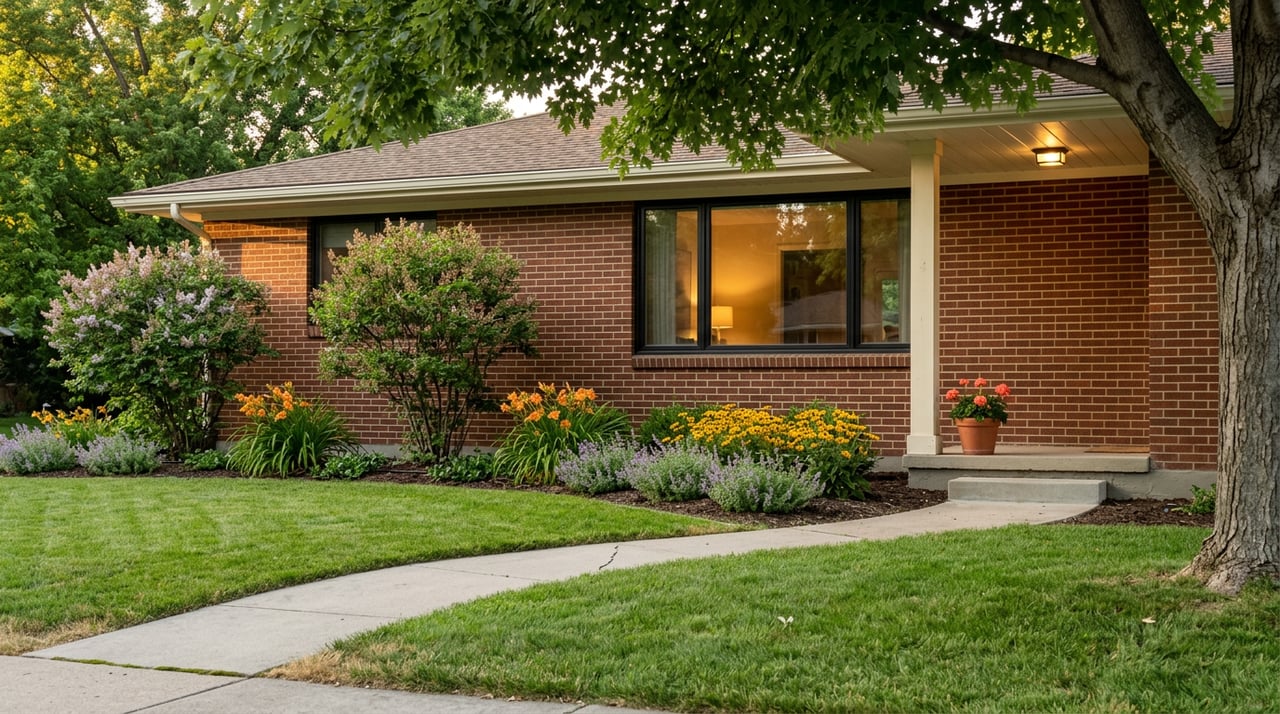
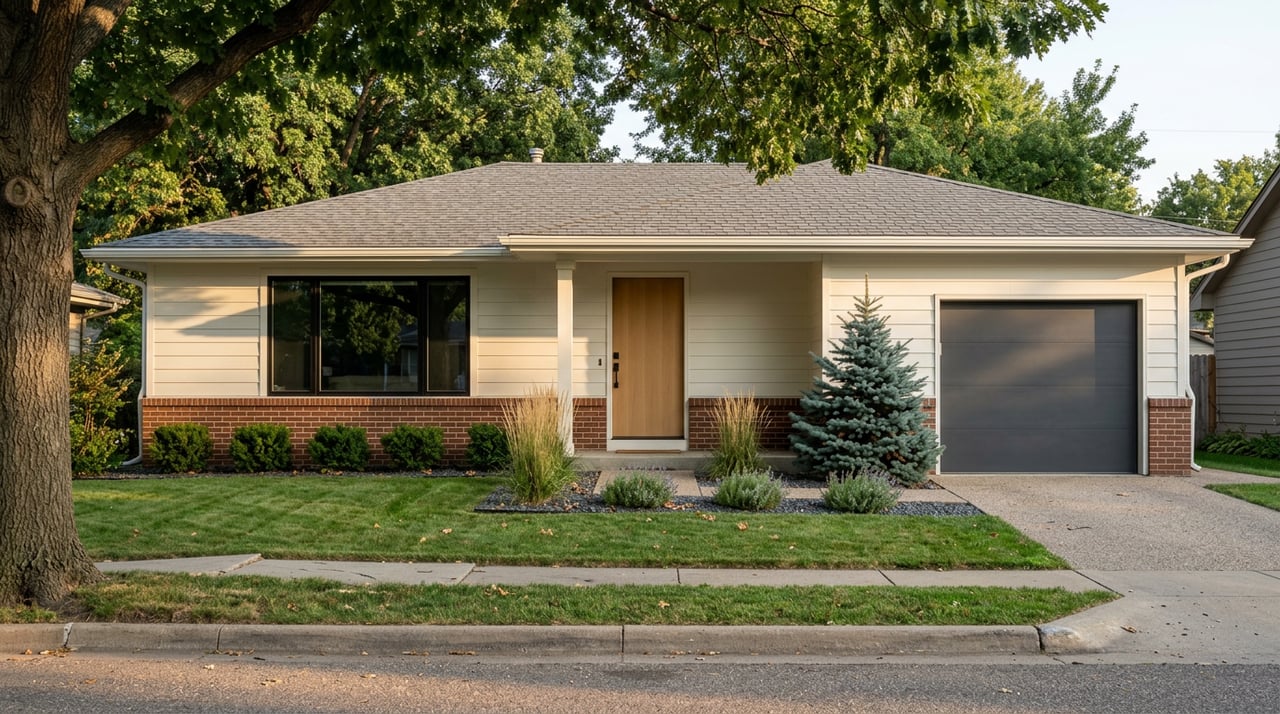
If you picture the classic mid‑century Boise home, you are likely picturing a single‑level ranch. These homes often feature low‑pitched roofs, big picture windows, and an attached garage or carport. Floor plans typically run 2 to 4 bedrooms with efficient, main‑floor living. Many include a basement or daylight basement, which adds storage or living space.
Lot sizes for ranches commonly fall in the roughly 6,000 to 9,000 square foot range, with select streets offering larger legacy parcels. Buyers love the step‑free layout and backyard usability. If you are budgeting for updates, focus on a modest kitchen refresh, curb appeal, and system upgrades. National data shows exterior improvements and minor kitchen updates often deliver stronger resale returns than major remodels. See the latest ROI benchmarks in Remodeling’s Cost vs. Value Report.
Split‑level and bi‑level
Split‑levels became popular in the 1960s and 1970s, especially where gentle slopes meet neighborhood streets. Expect several short stair runs that separate living, bedroom, and lower‑level spaces. Many include a lower family room and interior garage access. These homes can feel flexible but may have smaller original kitchens.
If you plan to open up the main floor or relocate a kitchen, account for structural work and mechanical rerouting in your budget. Cosmetic improvements can go a long way, but some reconfigurations add complexity and cost. Keep a contingency for hidden items, especially in mid‑century homes.
Mid‑century modern variants
A subset of ranches shows classic mid‑century modern touches like exposed beams, clerestory windows, and strong indoor‑outdoor flow. These are cherished by buyers who appreciate period details. If you find one, verify window condition, insulation, and HVAC capacity, since comfort upgrades can be part of owning a glass‑friendly design.
Two‑story and newer infill
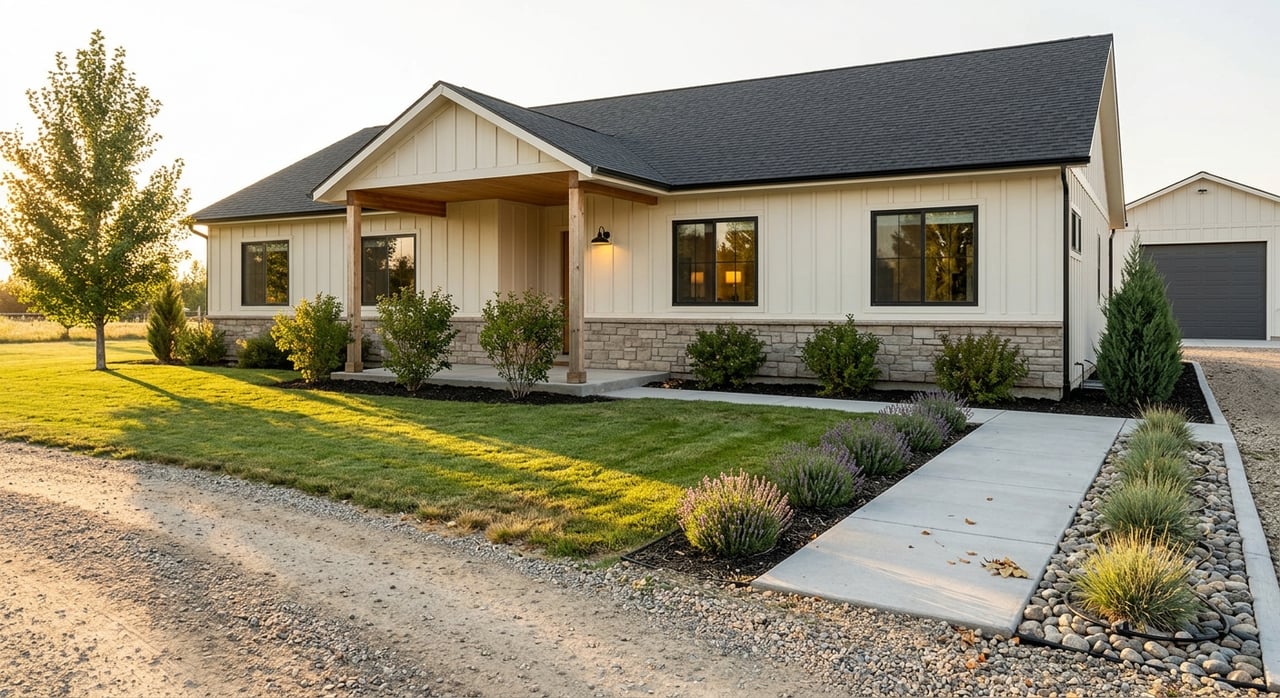
After 2000, parts of the West Bench saw meaningful infill and replacement construction. Newer builds often use two‑story footprints to maximize space on smaller parcels. You also see contemporary single‑level plans in select pockets. City planning continues to emphasize context‑sensitive infill, which is why you’ll find newer homes sprinkled among mid‑century streets in several micro‑neighborhoods. The city’s planning chapter outlines that ongoing infill emphasis in the West Bench section of Blueprint Boise.
Lot types and topography
Standard interior lots
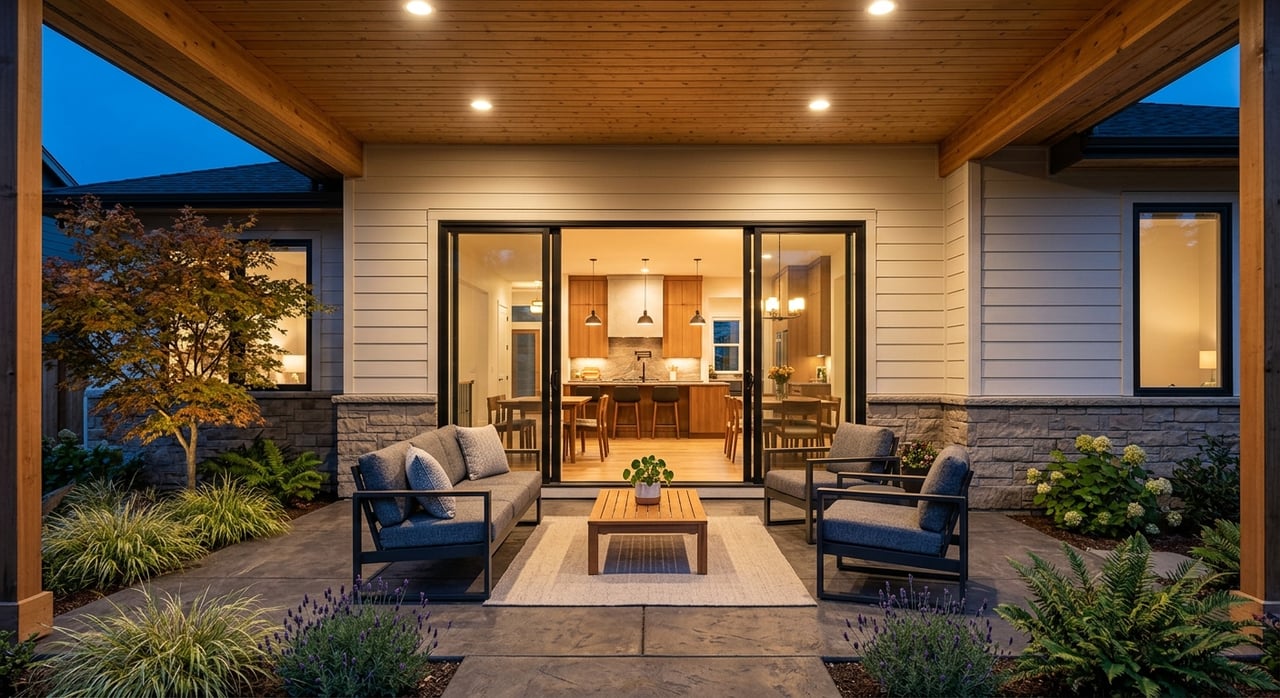
Most mid‑century ranches and many split‑levels sit on standard rectangular parcels, roughly 6,000 to 9,000 square feet. That footprint supports a usable backyard for gardens, patios, and small additions. If you plan to expand, confirm setbacks, easements, and irrigation lines early.
Larger legacy lots
You will find deeper yards and occasional larger parcels scattered across the Bench. These can command a premium for outdoor space, mature shade, and future expansion flexibility. If you are evaluating value, consider both current usability and long‑term options like adding a shop, studio, or accessory unit where allowed.
Cul‑de‑sac and irregular shapes
Homes on cul‑de‑sacs can have wider or deeper rear yards, although irregular shapes sometimes complicate big additions or pool placement. Many listings note cul‑de‑sac settings as a selling point. Always review the plat and verify fence lines and easements.
Hillside, walkout, and view lots
Elevated sections near the bench edge include graded parcels that support walkout lower levels. Split‑levels often show up here, using the natural slope to create bright lower spaces. View corridors typically add a measurable premium. If views are a must‑have, look closely at topography, neighboring rooflines, and tree growth patterns over time.
Flag and infill‑friendly parcels
You will encounter flag lots and small sites carved from deeper parcels, along with properties marketed for duplex or small‑scale development potential. Where zoning and standards allow, these can draw investor and builder interest, which may influence competition and pricing. Always verify what is permissible before you pay a premium for potential.
ADU potential and zoning checks
Boise’s modernized code permits accessory dwelling units in many contexts, with defined size, placement, and parking standards. If an existing property advertises an ADU, confirm it was permitted. If you are considering adding one, review the city’s ADU definitions and requirements and talk with Planning and Building Services before you assume feasibility.
Style and lot impact value
Pricing mechanics
On the West Bench, views, larger usable yards, and turnkey updates tend to command higher prices and faster interest. Compact ranches in original condition attract two buyer types: those who want a light refresh and those who are ready for a fuller renovation. West Bench medians often sit below several central Boise neighborhoods, so you may secure a similar commute and access to amenities at a more approachable price. Exact pricing varies by street, condition, and lot utility, so rely on fresh comps.
Update potential and ROI priorities
When you evaluate remodels, think in terms of cost recovery and buyer appeal. National benchmarks show high recoup rates for exterior projects such as a new garage door, entry upgrade, siding refresh, and selective stone accents. Minor kitchen updates also tend to perform well. You can review current data in Remodeling Magazine’s Cost vs. Value Report and NAR’s Remodeling Impact findings published with NARI in the 2025 Remodeling Impact Report.
In many mid‑century homes, systems merit attention. Plan for windows and insulation, HVAC modernization, electrical panel updates, and potential basement moisture mitigation. Documenting and completing these items can support appraisal and buyer confidence when you resell.
Competition and timing
Inventory on the Bench can tighten when demand rises. Move‑in ready single‑level homes and properties near parks or corridors often see quicker interest. If you are comparing the Bench to pricier in‑town areas, be prepared to act decisively when a well‑priced listing appears. Watching days on market and list‑to‑sale ratios in your target micro‑neighborhood will sharpen your timing.
Quick buyer checklist
- Identify the home style and layout fit. A single‑level ranch offers main‑floor living. A split‑level adds short stair runs and a flexible lower level.
- Confirm lot type and size from assessor or plat. Irregular or flag lots may affect future additions, fence placement, and parking.
- Ask about ADU or duplex potential and prior permits. Verify with the city’s standards and records, starting with Boise’s ADU code.
- Inspect for mid‑century issues. Look for original single‑pane windows, dated wiring, undersized HVAC, and basement moisture.
- Budget smart updates. Prioritize curb appeal, minor kitchen refreshes, and deferred maintenance. Use national ROI guides like Cost vs. Value to set priorities.
- Validate outdoor goals. If yard size or views are key, confirm setbacks, easements, irrigation ditches, and sun orientation.
- Compare with relevant comps. Use neighborhood‑level medians and recent sales, not citywide averages, to set expectations.
Fixer or turnkey?
A well‑priced fixer on the West Bench can be a path to equity if you value customization and have a realistic budget and timeline. Prioritize projects with strong cost recovery, and resolve system and moisture items early. If you need low‑maintenance living, paying more for a turnkey home can save time and reduce risk. In both cases, weigh lot utility, layout, and location alongside finishes, since those fundamentals are harder to change.
Where to look for views
Parts of the bench edge and elevated pockets near Mountain View and adjacent streets feature graded parcels and walkout options. Expect split‑levels and ranches with daylight basements to appear in these sections. Because view premiums are highly street specific, verify sightlines in person at different times of day and consider seasonal leaf‑on conditions.
Next steps
If you want a clear plan for the West Bench, start with three decisions: your preferred layout, your yard and outdoor priorities, and your appetite for updates. From there, we will map target streets, verify zoning and ADU options where relevant, and position you for the right offer once the fit appears. If you are selling, a focused pre‑list plan that emphasizes exterior polish and high‑impact photography can lift your result.
Ready to tour or to launch a listing with a marketing‑first plan? Connect with Cheyenne Peterson & Carlette Napoles to get a tailored game plan for your next move.
FAQs
What floor plans are typical for West Bench ranch homes?
- Most single‑level ranches offer 2 to 4 bedrooms, an efficient main‑floor layout, large picture windows, and an attached garage, with some including basements or daylight basements.
How big are typical West Bench yards for outdoor living?
- Many standard interior lots run roughly 6,000 to 9,000 square feet, with select streets offering larger legacy parcels that support bigger patios, gardens, or future expansions.
How do West Bench lot types influence remodel plans?
- Rectangular lots are friendlier to additions, while irregular or flag lots can limit footprint changes; always confirm setbacks, easements, and irrigation before designing a project.
Which West Bench areas have walkout or view potential?
- Elevated sections along the bench edge, including parts of Mountain View and nearby streets, feature graded parcels suited to walkout lower levels and potential view corridors.
Is an ADU allowed on a West Bench property, and how do I verify?
- Many Boise lots can support ADUs under city standards; review Boise’s ADU code and confirm feasibility with Planning and Building Services before committing.
What updates typically add the most resale value on the Bench?
- Exterior curb‑appeal projects and minor kitchen refreshes often deliver stronger cost recovery than major remodels, according to the Cost vs. Value Report and NAR’s Remodeling Impact.