If you want to start investing in Boise without stretching to the citywide price point, Central Bench deserves a close look. This established part of Boise offers a lower entry cost than Boise overall, but that does not mean every property is automatically a great fit for your plan. If you are thinking about buying your first rental, trying a house hack, or looking for a practical way to build equity, this guide will help you understand where Central Bench stands and what to check before you make a move. Let’s dive in.
Why Central Bench stands out
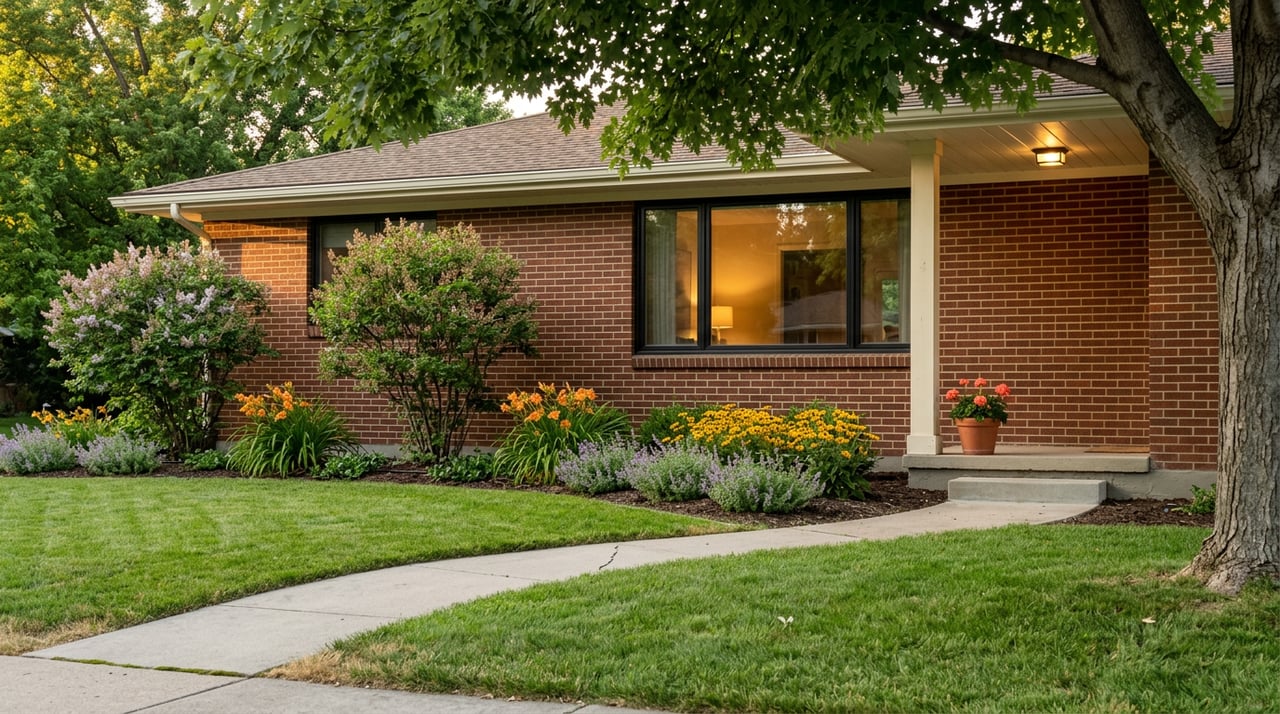
Central Bench is a mature Boise planning area with many homes built in the 1950s and 1960s. The City of Boise describes it as largely built out, with smaller and more affordable homes than many other parts of the city. That makes it especially relevant if you are trying to enter the market with a realistic budget.
Location is a big part of the appeal. Central Bench offers access to Downtown Boise, Boise State, Boise Towne Square Mall, the Boise Depot, and a strong park network. For a first-time investor, that central position can matter just as much as the price.
Central Bench price point for starters
Market snapshots show Central Bench as a lower-cost option compared with Boise overall. Zillow’s April 30, 2026 value index put Central Bench at $404,902, compared with $504,894 for Boise as a whole. Redfin’s March 2026 snapshot also showed a lower median sale price in Central Bench at $384,000 versus $499,000 citywide.
Those numbers are not measured the same way, but they point in the same direction. If you are searching for a starter-friendly investment area in Boise, Central Bench can offer a more accessible price point than many buyers expect. That said, lower pricing does not remove the need for careful property-level analysis.
Limited inventory changes the search
One challenge is selection. Zillow showed just 11 homes for sale and 6 new listings in Central Bench on April 30, 2026. For you, that means the best opportunities may move quickly, and patience may be part of the process.
A small pool of listings also means averages can only tell you so much. In a neighborhood with limited inventory and older homes, one property may be a solid fit for house hacking while another may need more updates or have a layout that does not support your plan. Looking at the exact home matters more than relying on neighborhood headlines.
What the housing stock looks like
Central Bench is not a blank-slate development area. City data shows single-family residential uses make up 45.7 percent of the area, while multifamily uses add another 4 percent. The city also notes that only 7 percent of the land is vacant, which points to an infill and reuse market rather than large new development opportunities.
NeighborhoodScout describes the area as a mix of small studio-to-two-bedroom homes, medium three- or four-bedroom single-family homes, apartment complexes, and high-rise apartments. Many residences were built between 1940 and 1969. For you, that means charm and location may come with older systems, remodeling history, and maintenance questions that need close review.
Why Central Bench can work for house hacking
If your goal is to live in the property while offsetting costs, Central Bench has some practical advantages. City planning materials show that renter demand already exists in parts of the area, and selected pockets have majority renter occupancy. The city also highlights opportunities to increase housing choices for Boise State students and downtown employees in some Central Bench areas.
That does not mean every street functions the same way, but it does show that rental demand is already part of the broader housing mix. Central Bench’s central location near Boise State University, Downtown Boise, and Saint Alphonsus Regional Medical Center also helps support interest from people who want shorter access to work, school, and city amenities.
Starter-friendly strategies to consider
For a first-time investor, Central Bench may make the most sense when you focus on flexible, realistic strategies instead of chasing a perfect deal on paper. A few common approaches can be worth exploring.
Buy and live with roommates
If the layout gives you enough separation and privacy, a roommate setup may help offset your monthly carrying costs. This approach can be especially useful if you are buying your first home and want an investment angle without taking on a fully separate rental property.
Use a basement or converted space
Some older homes have layouts that may support a separate sleeping area, bonus space, or lower-level living arrangement. Before you assume that space can function as a rental, you will want to confirm legality, safety, parking, access, and any needed approvals.
Explore ADU potential
Boise allows accessory dwelling units in eligible situations. According to the city’s zoning code, an ADU may be created by converting an existing living area, basement, or attic, adding onto the main home, building a detached ADU, or converting an existing detached accessory structure or attached garage if required parking is preserved.
The code also says an ADU can be no larger than 900 square feet or 70 percent of the primary dwelling’s floor area, whichever is smaller. It cannot have more than two bedrooms, and only one ADU is allowed per lot. If the home is in a historic district, a Certificate of Appropriateness is required, and tiny homes on wheels do not qualify as ADUs.
Rent benchmarks to test your numbers
If you are trying to estimate whether a starter investment could work, rent benchmarks can help you stress-test the property. Apartments.com lists average rent in Central Bench at $1,187. It also reports averages of about $1,082 for studios, $1,187 for one-bedrooms, $1,346 for two-bedrooms, and $1,415 for three-bedrooms.
These figures are best used as context, not a guarantee. Your actual income potential will depend on the exact location, condition, layout, parking, updates, and local demand for that property type. Still, this kind of rent data can help you ask better questions before you write an offer.
What to inspect more carefully here
Because many Central Bench homes were built in the mid-century era, due diligence matters even more than usual. Older homes can offer value, but they may also bring bigger repair items or unfinished work from prior updates. A lower purchase price only helps if the total cost still fits your plan.
When you evaluate a home, pay close attention to:
- Roof age and condition
- Heating and cooling systems
- Plumbing and electrical updates
- Windows and insulation
- Foundation and drainage issues
- Permit history for additions or conversions
- Parking setup and access
- Lot size, setbacks, and zoning limits
If your strategy depends on a roommate setup, separate entrance, basement use, or ADU buildout, these details become even more important. In Central Bench, the gap between a good opportunity and a costly surprise often comes down to specifics.
Questions to ask before you buy
A starter-friendly market still requires a disciplined approach. Before moving forward on a Central Bench property, it helps to ask a few practical questions.
Does the lot support your plan?
If you want to add rental income, start by confirming whether the lot is eligible for your intended use. Zoning, setbacks, parking requirements, and access can all affect what is actually possible.
Is the layout truly flexible?
A home may look promising online but function poorly in real life. Think about privacy, entrances, bedroom placement, bathroom access, and how shared spaces would work if you plan to live there with tenants or roommates.
Are there local approvals to consider?
If the home is in a historic district or if you plan to create an ADU, you may need additional approvals. This is one of the most important reasons to review the property with a local, detail-focused lens.
Do the numbers still work after updates?
Central Bench’s value often comes from older housing stock and selective repositioning. Make sure your budget includes inspection findings, repairs, and any improvement costs so your investment plan still makes sense after closing.
The real opportunity in Central Bench
Central Bench is not a shortcut market. It is a central, established Boise area where the opportunity often comes from location, older homes, and thoughtful reuse rather than brand-new inventory or large development sites. For first-time investors, that can be a good thing if you want a practical entry point and you are ready to evaluate each property carefully.
The biggest takeaway is simple: Central Bench can be starter-friendly at the market level, but the right investment depends on the exact block, the exact home, and the exact strategy. If you take a property-by-property approach, this area can offer real potential for value-focused buyers, house hackers, and first-time investors.
If you are weighing your options in Central Bench and want help narrowing down homes that fit your budget and strategy, Cheyenne Peterson & Carlette Napoles can help you sort through the details with local insight and a hands-on approach.
FAQs
Is Central Bench Boise more affordable than Boise overall for first-time investors?
- Current market snapshots in the research report show Central Bench priced below Boise overall, though exact values vary by source and individual property.
What types of homes are common in Central Bench Boise?
- Central Bench includes many older single-family homes, along with apartments and some multifamily housing, with a large share of homes built between 1940 and 1969.
Can you build an ADU on a Central Bench Boise property?
- Boise allows ADUs in eligible situations, but the lot, layout, parking, size limits, and any required approvals must all be reviewed under current city code.
Is Central Bench Boise a good area for house hacking?
- It can be a practical fit for house hacking because of its lower entry cost, central location, and existing renter presence in some pockets, but each property needs careful review.
What should you check before buying an investment property in Central Bench Boise?
- Focus on zoning, layout, permit history, parking, access, lot constraints, and the condition of major systems, especially because many homes are older and the area is largely built out.