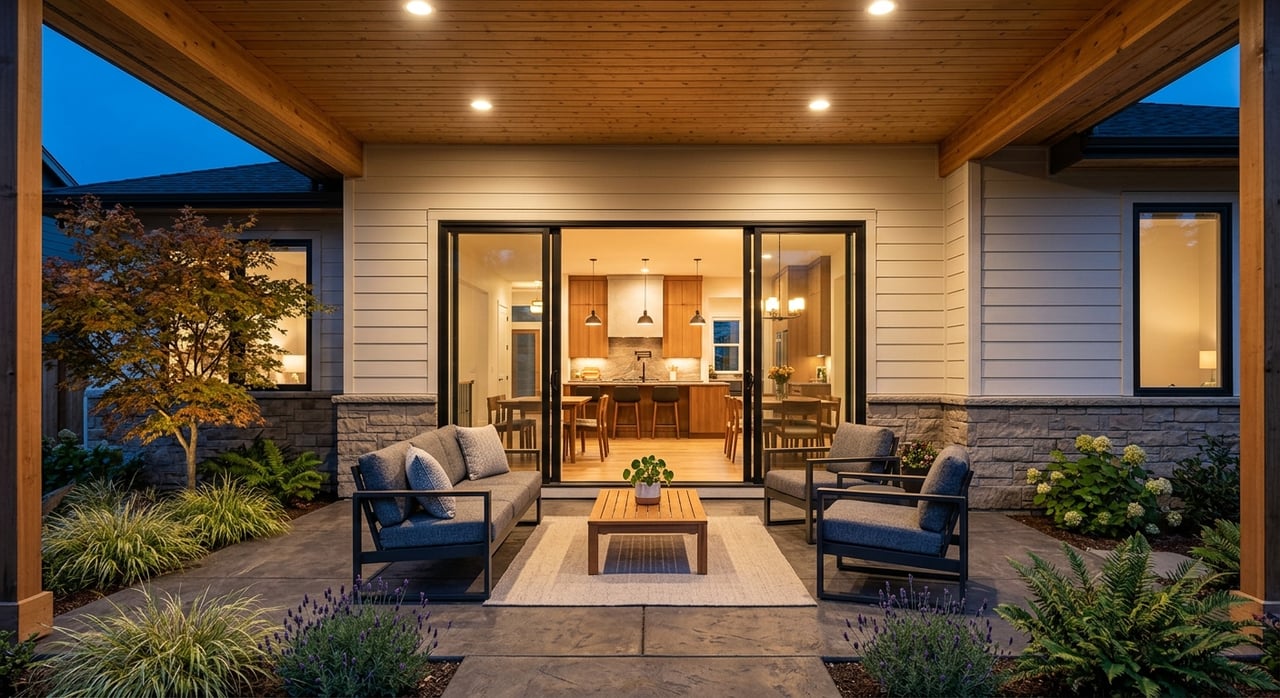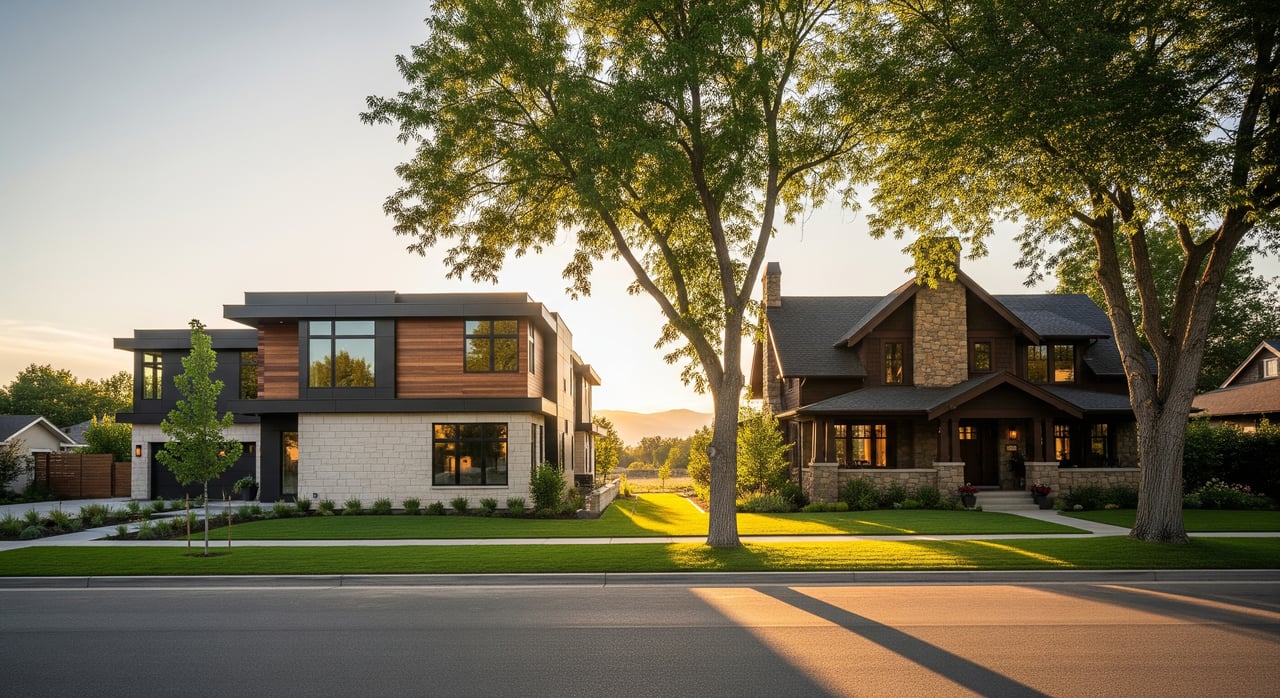
Trying to choose between a brand-new build or a resale home in Eagle can feel like comparing apples to oranges. You want the right fit for your budget, timeline, and lifestyle without surprises after closing. In this guide, you’ll learn how new construction and resale homes stack up on price, timing, maintenance, customization, financing, inspections, and more, all with Eagle’s market in mind. Let’s dive in.
What drives the decision in Eagle
Eagle continues to attract buyers who want space, outdoor access, and quality homes. That demand creates a steady mix of new subdivisions alongside established neighborhoods. Your choice between new and resale often comes down to how quickly you need to move, what level of customization you want, and how you weigh total cost over the first few years.
To get a read on active development and timelines, review City of Eagle planning and building updates for permits, plats, and infrastructure projects. For pricing, inventory, and days on market, look to current local MLS reports. If you are comparing specific properties, the Ada County Assessor’s tools can help you see tax history and prior sales.
New construction vs. resale at a glance
Price and total cost
- New builds often carry a higher price per square foot due to builder profit and lot premiums. Base prices may look attractive, but upgrades and lot selection can add quickly.
- Resale homes reflect age and condition. You may pay less upfront but should budget for near-term repairs or updates.
- Consider first-year costs. New homes usually have lower immediate maintenance. Resales may need items like roof, HVAC, or appliance work sooner.
Timing and logistics
- New construction typically requires months from contract to closing and can face weather, supply, or permitting delays. Closing requires final inspections and a certificate of occupancy.
- Resale homes usually close in 30 to 45 days, assuming clean inspection and mortgage approval. If you value speed, resale has the edge.
Condition and maintenance
- New homes offer new systems and materials that lower near-term maintenance. They often include builder warranties for workmanship and sometimes structure. Terms vary by builder.
- Resale homes can offer character and mature landscapes but may have deferred maintenance. A thorough inspection is key to avoid surprises.
Customization and predictability
- With a new build, you may choose layouts, finishes, and fixtures if you buy early. Later-stage homes may allow only cosmetic choices.
- Resales are what you see. You can renovate, but that adds time and cost. Immediate move-in is the benefit here.
Energy efficiency and codes
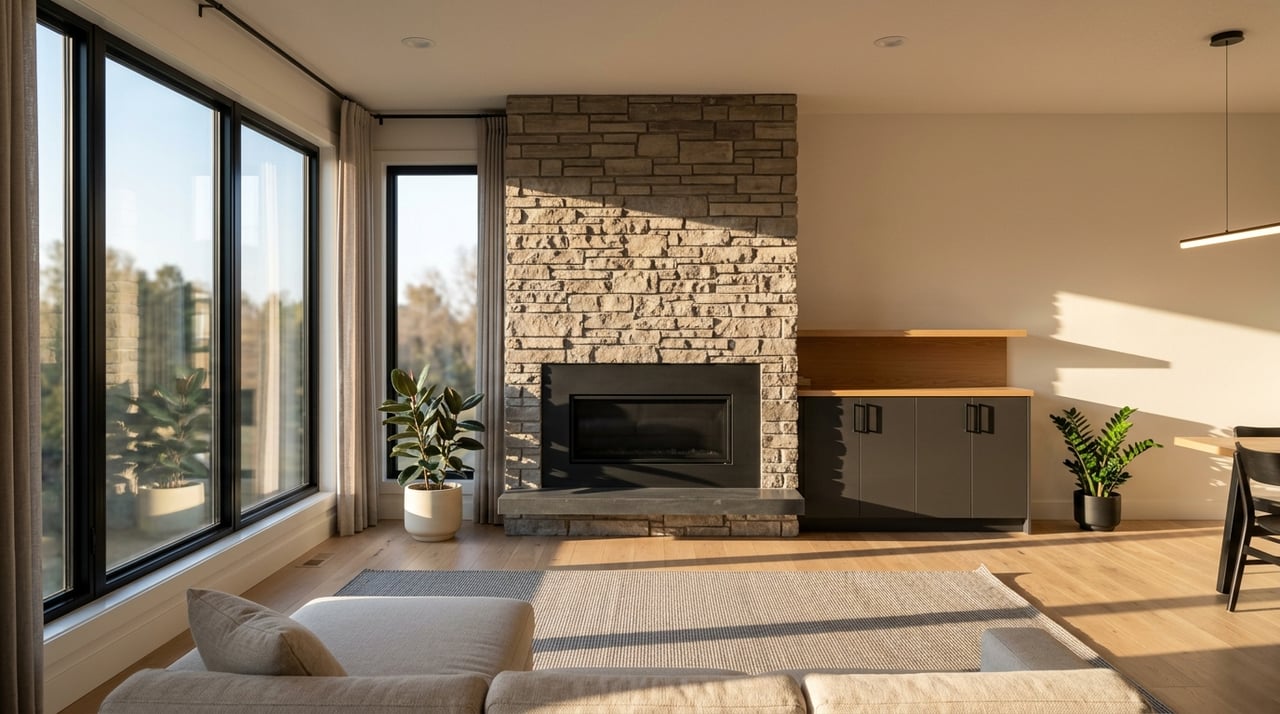
- New homes are built to current codes and often use efficient windows, insulation, and HVAC. Ask about any certifications and projected utility usage.
- Resale homes may not match current energy standards. If efficiency matters, factor in potential upgrades.
Location, lot, and neighborhood maturity
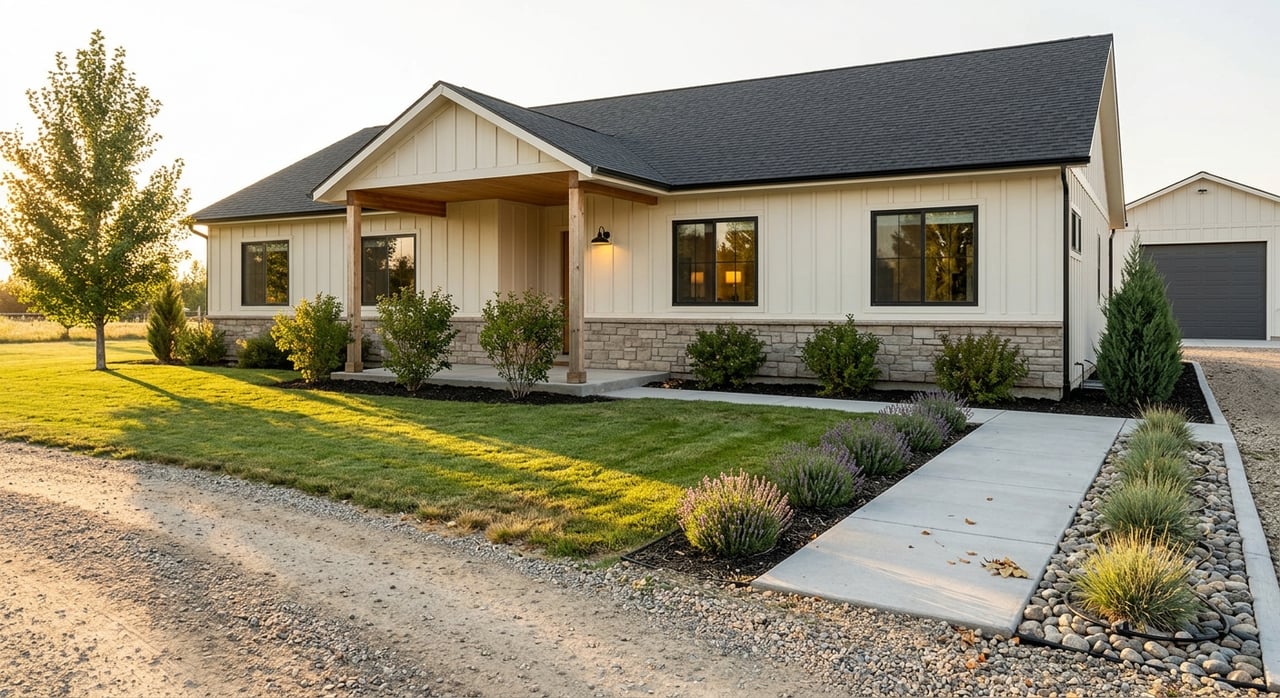
- New subdivisions can be on the edge of town with ongoing construction and developing amenities. Parks, trails, and schools may arrive later.
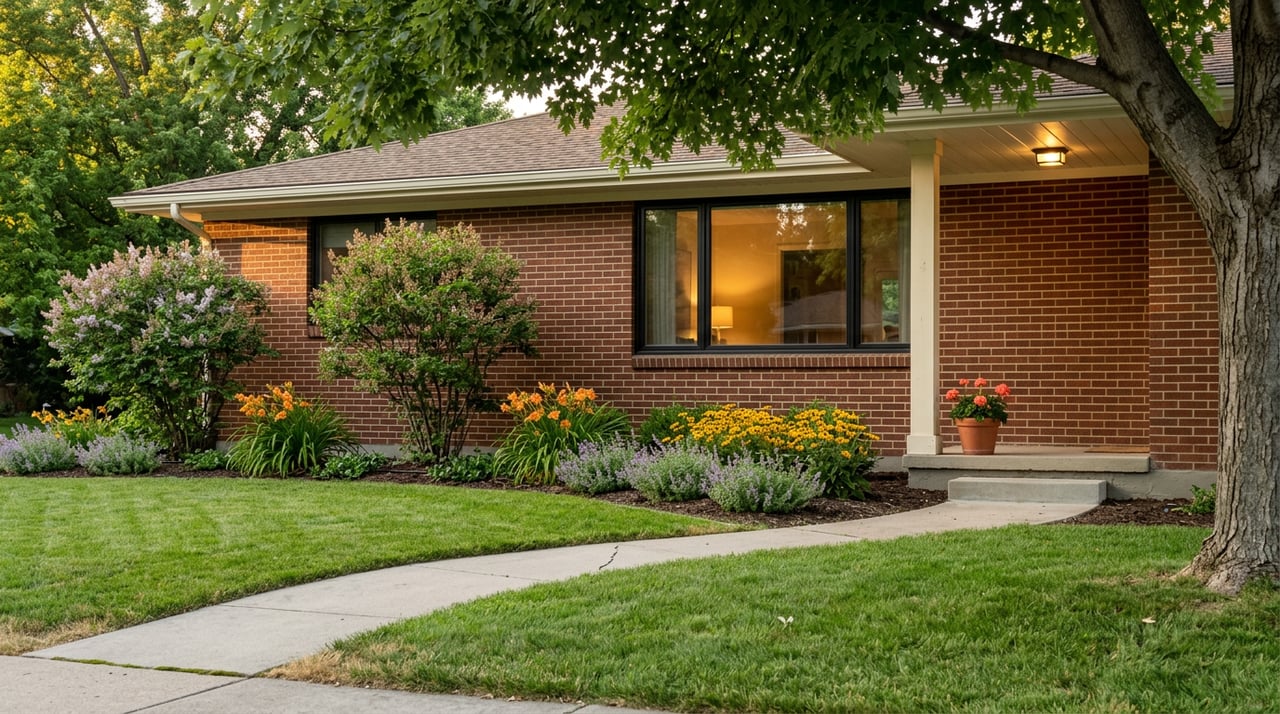
- Established neighborhoods in Eagle offer mature trees, settled traffic patterns, and a clear sense of community rhythm. Lot sizes and orientations vary.
Resale value and appreciation
- New builds in popular areas can appreciate well. Just remember that initial resale may reflect lot premiums and builder pricing.
- Well-maintained resales with thoughtful updates can hold value and compare well within specific micro-markets.
HOA and covenants
- Many new communities have HOAs with design guidelines, fees, and maintenance standards. Review rules and reserves before you commit.
- Resale HOA communities have a track record you can evaluate through past budgets, minutes, and reserves.
Financing, incentives, and appraisal differences
Common financing paths
- Resale purchases typically use conventional, FHA, VA, or USDA loans depending on eligibility.
- New construction may use construction-to-permanent financing or builder-aligned mortgage options. Some builders offer preferred-lender incentives, rate buydowns, or closing cost credits. Compare the total cost of any incentive against market alternatives.
Appraisals and upgrades
- Appraisers rely on recent sales. In new communities, sales from builders can help. If you select heavy upgrades or a premium lot, the appraisal may not match your contract price. Plan for potential appraisal gaps and discuss options with your lender.
Underwriting timing
- Construction loans can include draw schedules and additional inspections. Make sure your lender understands local new-build processes to avoid delays.
Warranty and post-close protections
- New homes usually come with written builder warranties for workmanship and sometimes structure. Get details in writing and understand the claim process.
- Resales rely on inspections and seller disclosures. You can protect your budget with repair contingencies or credits.
Inspections, permits, and utilities in Eagle
Inspections and disclosures
- New builds still benefit from independent inspections. Consider pre-drywall and final walk-through inspections to verify quality and code compliance.
- For resales, order a full home inspection and add pest, roof, sewer, or foundation inspections as needed.
Permits and occupancy
- For new construction, confirm the builder has the required permits and will deliver a certificate of occupancy. Check the City of Eagle’s permit history for your address or lot.
- For resales, verify that any past renovations were permitted as required. Unpermitted work can affect insurance and resale.
Utilities, irrigation, and septic vs. sewer
- Confirm water, sewer, and irrigation details before you commit. Some lots may have septic or specific irrigation district requirements. Review any HOA responsibilities related to pressurized irrigation.
HOA documents and CCRs
- Request HOA covenants, fee schedules, budgets, reserve studies, and meeting minutes. You want clarity on design standards, future amenities, and financial health.
Lien protections and subcontractors
- For new builds, make sure your contract addresses lien waivers and subcontractor claims. Ask for documented processes and timelines.
Energy code and documentation
- Idaho follows versions of the International Residential Code. Collect documentation for insulation, HVAC sizing and efficiency, and any blower door or duct testing if applicable.
A simple decision framework
Ask yourself:
- Is fast move-in more important than customizing a layout and finishes?
- What is my true budget after I add upgrades, landscaping, window coverings, and first-year maintenance?
- How comfortable am I with ongoing construction in the neighborhood?
- Do I value a specific location more than new-home features?
- Do I want predictable HOA and utility costs now, or am I comfortable with possible changes as a new community matures?
Buyer checklists
If you are buying new construction in Eagle
- Confirm the builder’s local track record and ask for references.
- Get the full contract, warranty terms, and a written list of included features versus upgrades.
- Review lot details, including drainage, soils, easements, and any view considerations.
- Verify permit status and completion timelines with the City of Eagle.
- Request HOA covenants, fee schedule, and amenity timelines.
- Choose a lender experienced with construction loans and compare any builder incentives to outside options.
- Schedule independent inspections at key stages and set written timelines for remedies.
If you are buying a resale in Eagle
- Order a full home inspection and any specialty inspections needed for roof, sewer, pest, or foundation.
- Review seller disclosures and verify permits for past work with local records.
- Compare neighborhood sales for lot size, updates, and condition.
- Check utility providers and tax history through county resources.
- Review HOA documents when applicable.
Tips for sellers competing with new builds
- Price strategically relative to new construction in your area. Buyers will pay a premium for new, but they value location, lot, and move-in readiness.
- Highlight what new builds cannot match easily. Emphasize mature landscaping, recent system upgrades, and immediate occupancy.
- Offer flexible possession or faster closing to appeal to timing-sensitive buyers.
- Complete high-impact refreshes like paint, lighting, hardware, and landscaping. Consider a pre-listing inspection to reduce buyer uncertainty.
Negotiation examples
- New build buyers: Ask for closing cost help, rate buydowns, or builder-covered upgrades like landscaping or appliance packages.
- Resale buyers: Negotiate price adjustments, repair credits, or seller-paid fixes based on inspection findings.
When a hybrid approach makes sense
You might not have to choose a pure path. A nearly new resale in a recent Eagle subdivision can give you modern systems and finishes without the construction wait. A builder’s quick-move-in or spec home can also shorten your timeline while keeping many new-home benefits. On the flip side, a well-updated resale can deliver move-in readiness and established neighborhood appeal at a competitive price.
Your next step
If you want a clear view of Eagle’s current options, we will map your budget and timeline against active new-build communities and standout resales. You will get a side-by-side comparison of total cost, logistics, and resale outlook so you can move forward with confidence. Ready to explore your best path in Eagle? Connect with Cheyenne Peterson & Carlette Napoles to get started.
FAQs
Are new homes always more expensive than resales in Eagle?
- New homes often cost more per square foot due to builder profit and lot premiums, but the gap can narrow when you factor in renovation costs on resales.
How long does new construction usually take to close?
- Many new builds require several months to complete and can face delays; resales typically close in 30 to 45 days, assuming standard financing and inspections.
Do I still need an inspection on a brand-new home?
- Yes. Independent pre-drywall and final inspections help verify quality and code compliance, and they can protect your warranty claims.
What financing options work for new construction?
- Many buyers use construction-to-permanent loans or builder-aligned financing; compare any incentives with market options and focus on total cost over time.
Will my upgrades on a new build appraise?
- Not always. Appraisals rely on recent sales, and some custom features or premium lots may not be fully reflected; plan for possible appraisal gaps with your lender.