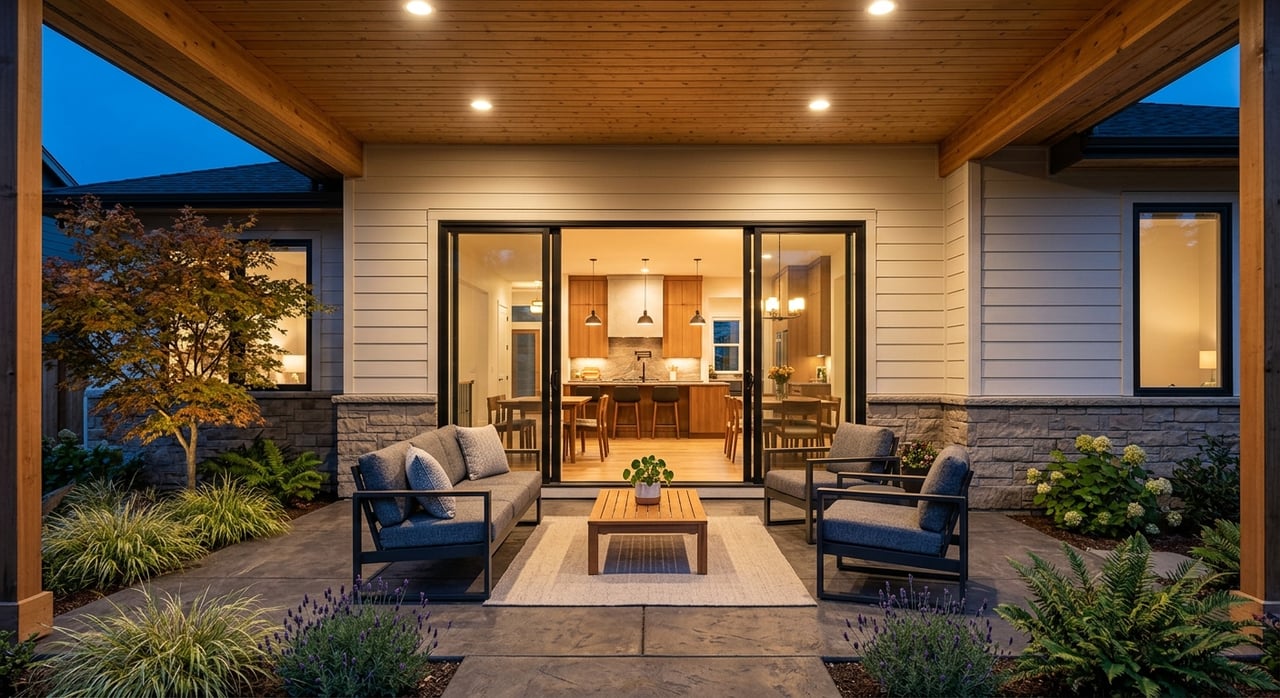
Thinking about adding an accessory dwelling unit to your Boise property? You are not alone. ADUs can create rental income, support multigenerational living, and add flexibility without changing your neighborhood’s character. The catch is that Boise’s rules, permits, and costs can feel complex. This guide breaks down what to check, how to plan, and where an ADU makes sense for your goals. Let’s dive in.
What an ADU is in Boise
An accessory dwelling unit is a secondary home on the same lot as a primary residence. You will typically see three versions:
- Interior ADU: A converted space within the main home, such as a basement or part of the first floor.
- Attached ADU: An addition that shares at least one wall with the main house.
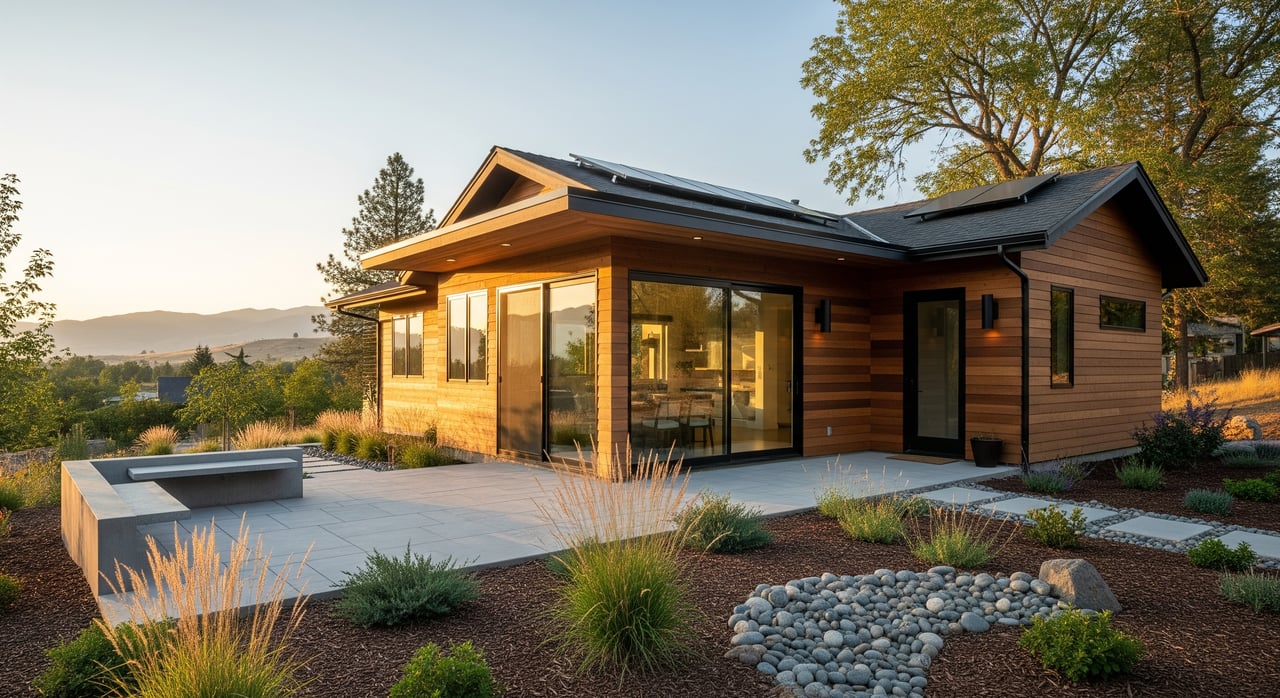
- Detached ADU: A separate structure on the same lot, such as a backyard cottage or unit over a garage.
ADUs are popular in Boise because they add housing options and potential income without subdividing land. Whether you plan to rent long term, host family, or improve resale, the details depend on your property’s zoning and the city’s standards.
Start with zoning and lot eligibility
Your first step is to confirm whether an ADU is allowed on your parcel. Zoning determines use, size, and placement.
- Check your zoning district through the City of Boise. Ask Planning & Development Services how ADUs are handled in that district and whether they are permitted by right or need a special approval.
- Confirm any minimum lot or frontage rules and whether a specific ADU type is limited on your lot.
- If your property sits in a historic district or overlay zone, expect additional design review before you build or convert.
- Review your HOA covenants and CC&Rs. An HOA can restrict ADUs even when city code allows them.
ADU size, placement, and design
Boise’s code sets standards for how large an ADU can be and where it can go on a lot. While the exact numbers vary, you will typically evaluate:
- Size and height: Cities cap ADUs by square footage or by a percentage of the main house. Detached units often have height limits.
- Setbacks: Front, side, and rear-yard setbacks determine where a detached ADU can sit. Corner and flag lots may have special rules.
- Design and materials: Some areas require the ADU to echo the primary home’s materials and rooflines, especially in historic districts.
- Entrances and privacy: You may need a clearly defined entrance, safe pathways, and separation between units.
Before you invest in design, ask Planning & Development Services to confirm the standards that apply to your parcel and ADU type.
Parking and access
Parking rules affect whether your design is feasible.
- Many cities ease parking for ADUs or allow tandem spaces. Interior conversions are sometimes treated differently than detached cottages.
- Driveway width and curb-cut limits can shape how you add a space.
- Street parking availability matters for neighbors and tenants, so factor it into your plan.
Ask the city to confirm if your ADU type requires a new on-site space or if alternatives are allowed.
Utilities, sewer, water, and septic
Utility capacity and connections are key cost drivers.
- Water and sewer: Confirm if the ADU must share meters with the main home or if separate meters are allowed. Ask about connection or impact fees.
- Electrical and gas: Some owners prefer separate meters for billing. Your utility provider will advise what is permitted and cost-effective.
- Septic: If your property uses septic, Ada County Environmental Health must confirm system capacity and any required upgrades.
If utility upgrades are needed, build that into your budget and timeline early.
Building code, permits, and inspections
ADUs must meet current building, electrical, plumbing, mechanical, and energy codes.
- Permits: Structural changes, new plumbing, electrical runs, and HVAC typically require permits. Plan review comes before work begins.
- Safety standards: Expect requirements for proper egress, minimum ceiling heights, smoke and carbon monoxide detectors, and fire separation between units.
- Inspections: Your project will be inspected in stages. Final occupancy sign-off confirms the ADU is legal and safe to use.
Clear plans and a responsive contractor help you avoid rework and delays during inspections.
Occupancy, rentals, and short-term rentals
How you use the ADU matters for compliance and revenue.
- Owner-occupancy: Some cities require the owner to live on the property when an ADU is present, while others have removed that rule. Ask the city what applies to your lot and ADU type.
- Long-term rentals: Health and safety standards apply, and you may need a rental registration or local business licensing.
- Short-term rentals: STRs are typically regulated separately from ADUs. Confirm whether an ADU can be used as a short-term rental and what licensing is required.
Clarify these rules before you model income or market the home.
Fees, taxes, and insurance
ADUs can change your ongoing costs. Plan for:
- City fees: Expect planning and building permit fees, plus possible utility connection or impact fees.
- Property taxes: Adding an ADU is an improvement. The Ada County Assessor will typically reassess your property after completion, which can raise your annual taxes.
- Rental income taxes: Rental income is taxable. You may be able to deduct certain expenses. Consult a CPA on your situation.
- Insurance: Many carriers require a landlord endorsement or a separate policy for rented units. Short-term rental use often has different terms and exclusions.
A quick call with your insurer and tax advisor helps you avoid surprises.
Cost drivers Boise owners see
Actual costs vary by site and finish level, but common patterns hold true.
- Interior conversion: Often the most cost-effective, but meeting egress, insulation, and fire separation can add complexity.
- Attached addition: Moderate cost with structural tie-ins and utility expansion. It can live like part of the main home while functioning independently.
- Detached cottage or over-garage unit: Usually the highest per-square-foot cost due to new foundation, framing, roof, and systems.
Across all types, major cost drivers include foundation work, utility capacity and trenching, site grading and driveway changes, permit fees, insulation and energy upgrades, and contractor demand.
Financing your ADU
Financing is as important as design.
- Home equity: Cash-out refinances and HELOCs are common for owners with equity.
- Construction or renovation loans: Some loan programs support additions and conversions. Appraisals and underwriting vary by lender and product.
- Private or partner capital: Investors sometimes use private financing or partnerships when traditional lending does not fit.
Lenders may treat projected ADU income differently and could require owner-occupancy for certain loans. Speak with a local lender early to understand how your debt-to-income, appraisal, and project scope will be evaluated.
Timeline and how to keep it moving
From idea to keys, an ADU is a multi-stage project. Typical ranges look like this:
- Feasibility and design: 2 to 8 weeks to confirm zoning basics, sketch concepts, and price utilities.
- Permit review: 2 to 12 or more weeks, depending on plan completeness and reviewer workload.
- Construction: 2 to 9 or more months, depending on scope and season.
Common delays include plan corrections, utility scheduling, septic approvals, neighborhood design review, and contractor availability. You can shorten timelines by submitting complete plans, selecting finishes early, coordinating utilities before permit issuance, and working with an experienced builder.
Long-term value and resale
ADUs can support your financial strategy in Boise’s demand-driven market. They create flexibility for long-term rental income, multigenerational living, or a work-living setup. The resale premium depends on neighborhood demand, build quality, and how buyers value rental potential versus a larger single-unit home. Well-designed, permitted ADUs with clear documentation tend to attract more interest and reduce buyer concerns during inspection and appraisal.
Step-by-step checklist
Use this quick roadmap to move from idea to action:
- Confirm zoning and overlay status with Boise Planning & Development Services for your parcel.
- Review HOA documents and CC&Rs for any ADU restrictions.
- Walk the site to identify logical locations for an ADU, potential setbacks, access, and privacy.
- Call utility providers about meter options, capacity, and likely connection or impact fees.
- If on septic, consult Ada County Environmental Health about system capacity and approval steps.
- Draft a concept plan with rough size, type, and location. Note parking and entrance ideas.
- Run a basic pro forma: estimated cost, rent assumptions, taxes, insurance, and maintenance.
- Talk with a local lender about equity, loan options, and how ADU income may be considered.
- Engage a designer or contractor for preliminary plans and a more refined budget.
- Submit permits. Respond quickly to plan review comments to keep things moving.
- Bid the work with licensed contractors. Confirm schedule, change-order process, and draw schedule.
- Build to approved plans. Pass staged inspections and obtain final occupancy.
- Update your insurance and set up systems for rent collection and maintenance.
- If renting, follow Boise’s rental or STR rules and screening best practices.
How our team supports your ADU goals
Whether you are buying, selling, or evaluating an income strategy, you deserve clear guidance rooted in Boise market reality.
- Buyers and relocating households: We help you identify properties with ADU potential, compare neighborhoods, and understand likely rent ranges and resale considerations.
- Sellers: We build marketing campaigns that highlight permitted ADUs or credible ADU potential to reach both lifestyle buyers and investors.
- Investors: We provide local market context, rent expectations, and exit strategy planning so your ADU plans align with demand in Boise and surrounding Treasure Valley communities.
If you want to pressure-test an idea, talk through zoning next steps, or position your home’s ADU story for the market, our team is ready to help.
Ready to explore an ADU strategy in Boise? Connect with Cheyenne Peterson & Carlette Napoles for a local game plan that fits your timeline, budget, and long-term goals.
FAQs
Are ADUs allowed on Boise single-family lots?
- It depends on your zoning district and any overlays. Contact Boise Planning & Development Services to confirm whether an ADU is permitted on your parcel and what approvals are required.
How large can a Boise ADU be?
- Size, height, and placement limits vary by ADU type and lot. The municipal code sets these standards, so verify the applicable cap and setbacks for your property before designing.
Do I need extra parking for an ADU in Boise?
- Many cities adjust ADU parking requirements and allow options like tandem spaces. Ask the city whether your ADU type needs an additional on-site space and what driveway standards apply.
Can I use my Boise ADU as a short-term rental?
- Short-term rentals are regulated separately from ADUs. Confirm eligibility, licensing, and operating rules with the city before planning STR income.
Will an ADU increase my Ada County property taxes?
- Yes. Adding an ADU is an improvement and the Ada County Assessor typically reassesses your property after completion, which can increase your tax bill.
How long does it take to permit and build a Boise ADU?
- Expect several months from concept to completion. Typical timelines include 2 to 8 weeks for feasibility and design, 2 to 12 or more weeks for permits, and 2 to 9 or more months for construction, depending on scope and season.
Can my HOA stop me from building an ADU?
- Yes, CC&Rs can restrict ADUs even when city rules allow them. Review your documents and consult the HOA early to avoid design changes later.
What is the most cost-effective ADU type?
- Interior conversions are often the most budget-friendly since they work within existing walls, while detached cottages usually cost more due to new foundation and systems. Actual results depend on site conditions and finishes.