If you love the energy of Downtown Boise but are torn between a condo and a townhome, you are not alone. Both options put you close to work, dining and trails, yet they feel different day to day and on your budget. In this guide, you’ll learn how ownership, HOA coverage, parking, financing and resale all play out downtown so you can choose with confidence. Let’s dive in.
Condo vs townhome basics in Idaho
Condominiums are a legal form of ownership. You own a defined unit and share common areas, which are managed by an association under the Idaho Condominium Property Act. That means the declaration and plat define your boundaries, common elements and how the association operates. You can review the state framework in the Idaho Condominium Property Act.
“Townhome” describes a building style, not a single legal setup. A townhome can be fee simple, where you own the land and structure, or it can be organized under a condominium regime with shared exteriors and land. The same look can exist under different legal rules, so always check the deed, plat and CC&Rs. A clear explainer is available on how townhomes can be fee simple or condo.
Why the legal setup matters
- Maintenance and insurance shift with the setup. Condo associations often cover the exterior and building envelope through a master policy, while owners carry an HO‑6 policy for interior finishes and personal property. Fee simple townhome owners usually insure the structure and handle more exterior upkeep.
- Monthly dues reflect who handles what. When an HOA pays for exterior maintenance, building insurance and shared utilities, dues are often higher. When owners shoulder more, dues may be lower. The only way to compare is by reading the association budget and master insurance summary.
What you’ll find in Downtown Boise
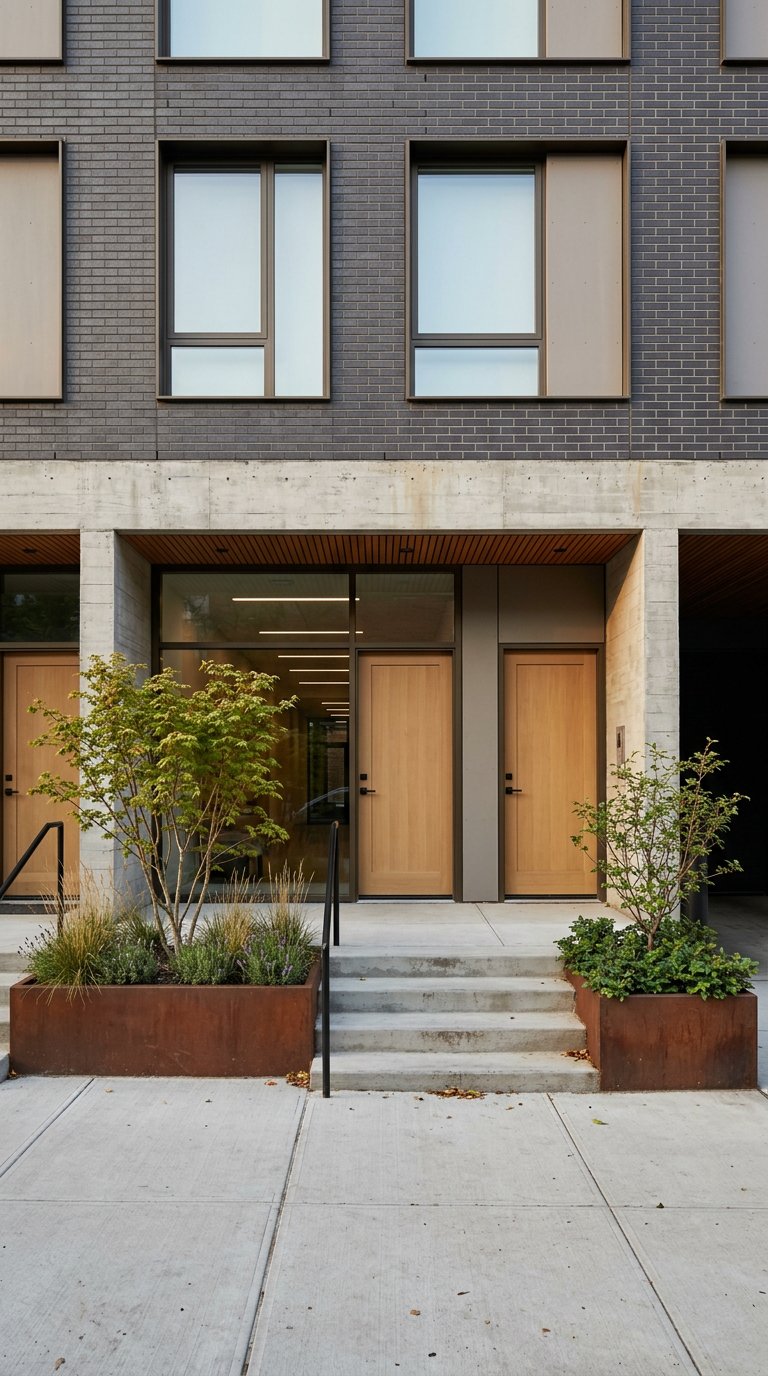
Downtown Boise offers mid‑ and high‑rise condos, converted lofts, low‑rise walk‑ups and purpose‑built urban townhome pockets in and around the core. In nearby districts, you’ll also see newer infill townhomes with private garages and small patios.
- Condos and lofts often range from studios to 2‑bedroom units, with open living spaces and shared amenities like rooftops or fitness rooms.
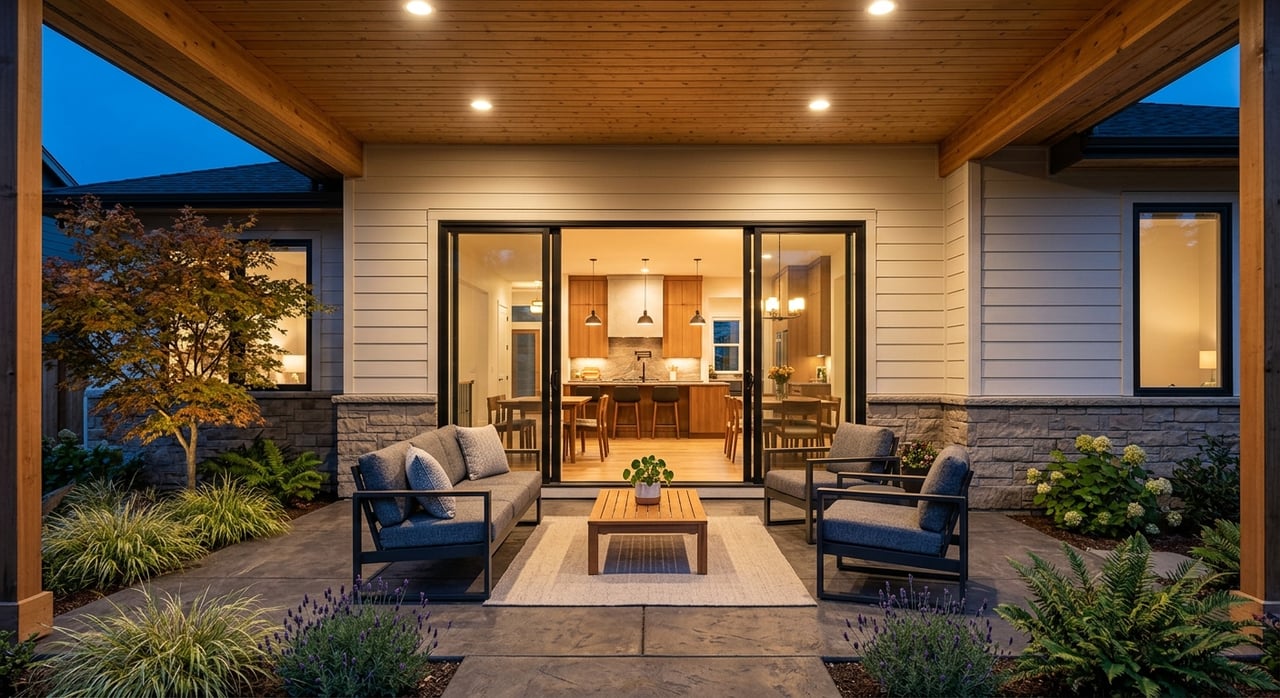
- Townhomes typically deliver 2 to 3 bedrooms, multi‑level layouts, attached garages and a bit more privacy. Many aim to blend urban access with a near single‑family feel.
Monthly costs and HOA coverage
Expect condo HOA dues to account for bigger shared obligations. Downtown condo associations commonly cover some combination of exterior maintenance, building master insurance, common utilities or trash, and shared amenities. Townhome dues, especially in fee simple setups, often focus on common‑area services like landscaping, private roads or snow removal. The takeaway: compare the actual line items. Review the current budget, reserves and insurance certificate before you decide.
Well‑funded reserves lower the risk of special assessments. Many Idaho associations commission reserve studies to plan for roof, siding and major system replacements. Learn why reserve funding matters from this overview of reserve study practice in Idaho.
Financing, insurability and resale
Condo financing depends on the project’s eligibility. FHA, VA, Fannie Mae and Freddie Mac review condominium projects for key factors like reserves, delinquency and litigation. Projects that do not meet standards can become non‑warrantable, which limits loan options. See HUD’s summary of updated condo policy and single‑unit approvals in the FHA condominium guidance.
During your contract period, your lender may request governing documents, budgets, reserve studies, insurance certificates, occupancy ratios and any litigation disclosures. HUD publishes a useful list of required condo project documents. Getting these early helps you avoid surprises.
Local context matters too. Industry observers have noted that underfunded or litigious condo associations can narrow mortgage access and slow resales in parts of Idaho. Read one practitioner’s take on the so‑called “[unsellable condo]” issue and why reserves and governance matter for marketability in Idaho in this local commentary.
Townhomes that are fee simple are usually underwritten like single‑family homes. That often means a more straightforward loan process compared with condos, but you should still confirm any HOA rules that could affect resale or financing.
Parking and downtown mobility
Parking setups vary widely downtown. Some buildings include deeded or assigned garage stalls. Others rely on shared garages or nearby monthly lots. Downtown Boise’s ParkBOI system, operated by the city’s redevelopment agency, provides public garages and EV charging in the core, which can be a strong backup if your unit does not include dedicated parking. Learn more in the agency’s parking system overview and plan.
As you shop, confirm whether the stall is deeded, HOA‑assigned or rented separately. Also ask about guest parking rules and any monthly garage fees. For a sense of options and services in the core, review Boise’s parking and mobility services.
Lifestyle tradeoffs: which fits you
Choose a condo if you prefer low‑maintenance living with shared amenities and building security. You will likely trade a bit of space for walkability and convenience, and you may see higher monthly dues that bundle many services.
Choose a townhome if you want more private square footage, direct garage access and maybe a small outdoor space. You will likely handle more exterior upkeep unless the community is structured like a condo, in which case the HOA may take on those costs.
A smart buyer’s checklist
Use this short list during your contingency period. Ask your agent and lender to help collect and review the following:
- Governing documents: declaration or master deed, plat, CC&Rs, bylaws and amendments. See HUD’s required document checklist.
- Financials and reserves: current budget, year‑to‑date financials, reserve balance, and any recent or planned special assessments. For Idaho context on why reserves matter, see this reserve study primer.
- Insurance: HOA master insurance summary and certificate, plus any exclusions that affect owner responsibilities.
- Litigation and minutes: board minutes from the past 12 to 24 months, and any pending or threatened claims.
- Occupancy and rental rules: current owner‑occupancy rate, any rental caps or short‑term rental policies. These can affect financing, as noted in HUD’s condominium guidance.
- Parking and storage: deeded stall number and type, guest parking rules, storage lockers and any monthly garage costs. Review Boise’s downtown mobility services.
- Warrantability: confirmation of FHA or VA project approval and the project’s Fannie Mae or Freddie Mac status. If non‑warrantable, map out alternate financing solutions early with your lender, using HUD’s document roadmap to prepare.
Work with a local guide you can trust
Choosing between a condo and a townhome downtown comes down to how you want to live, what you want to maintain and how the HOA’s numbers look. When you want a clear read on documents, parking realities and financing options, our team brings hands‑on Boise expertise and a calm, organized process. If you are ready to compare units, budgets and HOA health side by side, connect with Cheyenne Peterson & Carlette Napoles for a focused, pressure‑free consultation.
FAQs
What is the key legal difference between condos and townhomes in Idaho?
- Condos are a legal ownership form under the Idaho Condominium Property Act, while “townhome” is a building style that can be fee simple or a condo regime, so you must read the deed, plat and CC&Rs to know who maintains what and how you insure it. See the Idaho statute and this townhome explainer.
How do HOA fees typically compare for Downtown Boise condos and townhomes?
- Condo dues are often higher because the association may cover exterior maintenance, building insurance and some utilities, while fee simple townhome dues often fund site services only. Always compare actual budgets and reserve funding to see the true cost.
Can I use FHA or VA financing for a Downtown Boise condo?
- Yes, if the condo project meets agency standards or qualifies for single‑unit approval. Projects with low reserves, high delinquencies or litigation can be ineligible, which limits loan choices. Review HUD’s condo financing guidance and get documents early using HUD’s required list.
What should I verify about parking when buying downtown?
- Confirm whether parking is deeded, HOA‑assigned or leased, the exact stall number, guest parking rules and any monthly garage fees. Downtown Boise’s ParkBOI system and mobility services provide public options near many buildings.
What insurance do I need for a condo vs a townhome?
- Condo owners typically carry an HO‑6 policy for interior finishes and personal property while the HOA insures common elements. Fee simple townhome owners usually carry an HO‑3 policy that insures the structure. Check your declaration and master policy to confirm boundaries and exclusions.